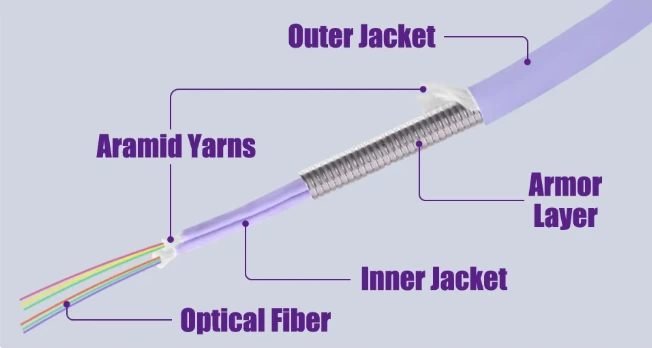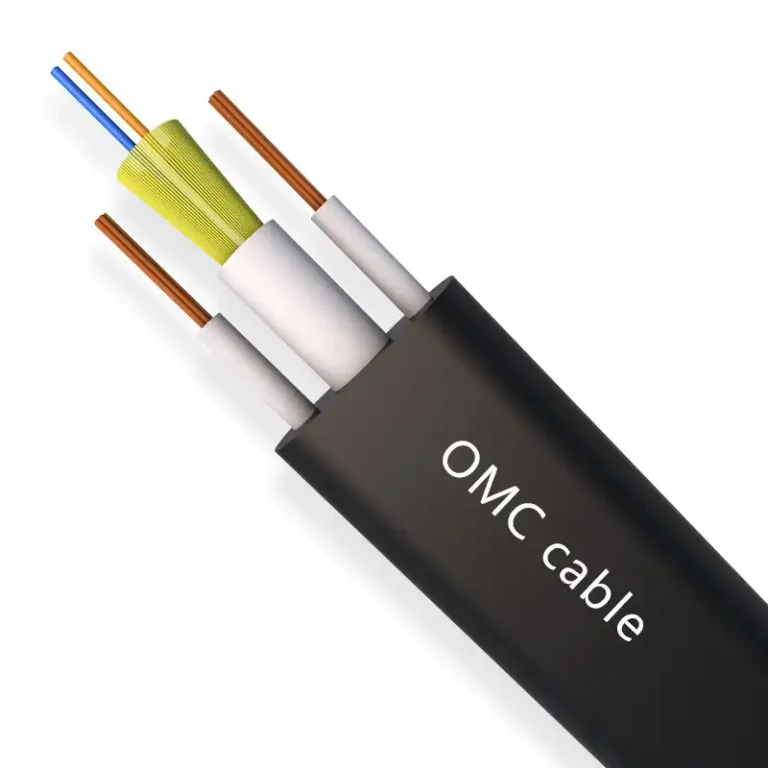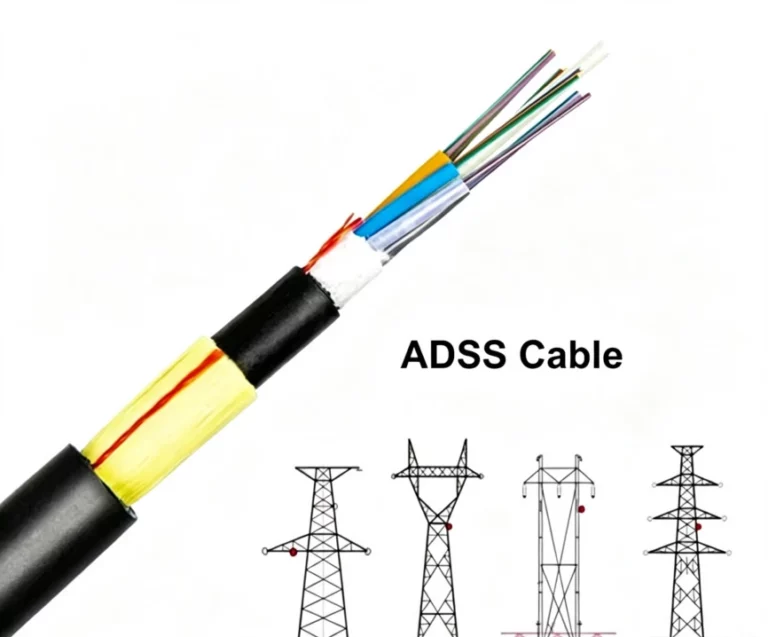








With the increasing demand for fast communication around the world, it is becoming essential for utilities companies and telecom companies to explore viable alternatives that offer reliability, low costs, and efficient deployment methods. One such type of cable that is gaining immense popularity among other types of cables in use is adss optical cable, which is popularly used in overhead applications. The term adss refers to all dielectric self-supporting, which means that the cable is devoid of any metals and can support itself between poles or towers. In addition, the absence of any metals makes this type of cable ideal for installation alongside power lines without interfering with their electrical functionality.
Key Design Characteristics That Set ADSS Optical Cable Apart
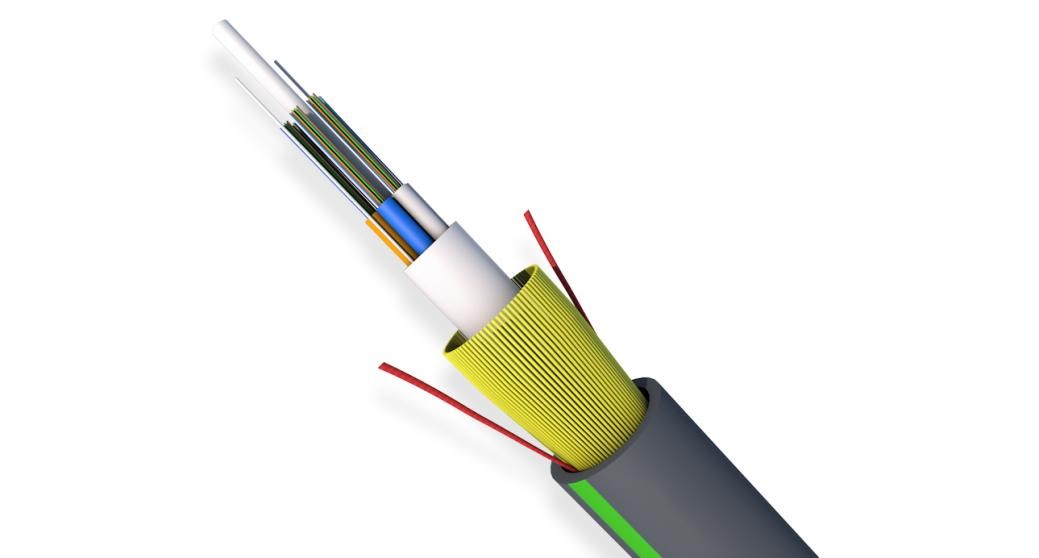
Popularity of adss optical cable lies in the engineering behind the cable itself. While other types of fiber optic cables need to have messenger cables or supporting structures, ADSS cables are engineered for aerial use only.
- All-Dielectric Design
The lack of metallic materials in this type of cable means that electromagnetic interference from nearby high voltage power lines does not affect it. It is therefore ideal for installation in power utility environments. - Self-Sustaining Nature
With strength elements built into its structure, this cable can carry itself across large gaps between support points without requiring additional supporting equipment. - Weight Advantage
In comparison with conventional aerial cable systems, the ADSS optical cable does not put any heavy load on towers or poles. - High Tensile Strength
Today’s ADSS cables have been designed to be able to withstand the strain resulting from spanning large gaps and strong winds. - Strong Outer Jacket
With advanced materials, the outer layer provides protection from weather exposure and UV rays.
This combination makes the adss optical cable an extremely reliable communication device.
Cost Benefits That Make ADSS Optical Cable a Smart Investment
One of the strongest reasons organizations choose adss optical cable is the significant cost savings it can provide throughout the project lifecycle.
- Lower Installation Costs
The use of traditional aerial fiber systems might entail the need for metal messenger wires, extra equipment, and significant structural changes. However, ADSS does not demand such resources, thus saving on materials. - Less Labor Needed for Deployment
Since there is no need for auxiliary support during installation, the labor required will be reduced, resulting in less expenditure on manpower and time-saving. - Need for Fewer Structural Changes to Communication Infrastructures
The utility company is able to make use of existing poles or overhead powerlines and will not necessarily need to invest much into upgrading them. In other words, the communication infrastructure can easily be expanded. - Low Cost of Maintaining Adss Optical Cable
The cable is made of non-metallic material, so there will be no issues associated with its corrosion. The lack of electrical problems also helps reduce maintenance costs significantly.
With all these benefits, ADSS proves to be cost-effective.
Outstanding Performance in Harsh Outdoor Environments
Overhead communication systems have to run continuously regardless of harsh weather conditions. The reason why adss optical cables have gained popularity in most places is due to their ability to perform stably in different climatic conditions.
Consider the following environmental advantages:
- Resistance to Sunlight and UV Light
The cable jackets that cover regular cables might break due to continuous exposure to sunlight. However, the special composition of the ADSS cable allows resisting the effects of sunlight and UV rays for many years. - Resistant to Moisture
Fiber optic cables typically fail due to moisture damage, yet water-resistant materials allow protecting the fibers in ADSS cables from any contact with the water. - Resistance to Wind
ADSS cable has exceptional mechanical qualities which make it resistant to winds in the region where it is installed. - Resistance to Temperature Extremes
ADSS optical cable can successfully function both in northern climates and in tropical zones because of its unique qualities allowing functioning under any temperatures. - Resistant to Corrosion and Chemicals
As there are no metals that can corrode, the cable can resist adverse atmospheric factors in coastal and industrial regions.
These characteristics help ensure continuous network operation and reduce the risk of costly service interruptions.
Conclusion
The rationale behind the use of adss optical cable as the top choice for overhead applications is easily understood. The dielectric material used in the cable helps to prevent electromagnetic interference, while the self-supporting nature of the cable keeps its installation simple and inexpensive. The cable exhibits great durability, excellent resistance against the environment, and high levels of dependability under varied conditions of operation. Moreover, it is versatile in use and can be applied to power utilities, telecommunication, transport systems, industries, and civil projects. With organizations increasingly extending their communication network infrastructure, adss optical cables are among the best options available when installing overhead fiber optic cables.