






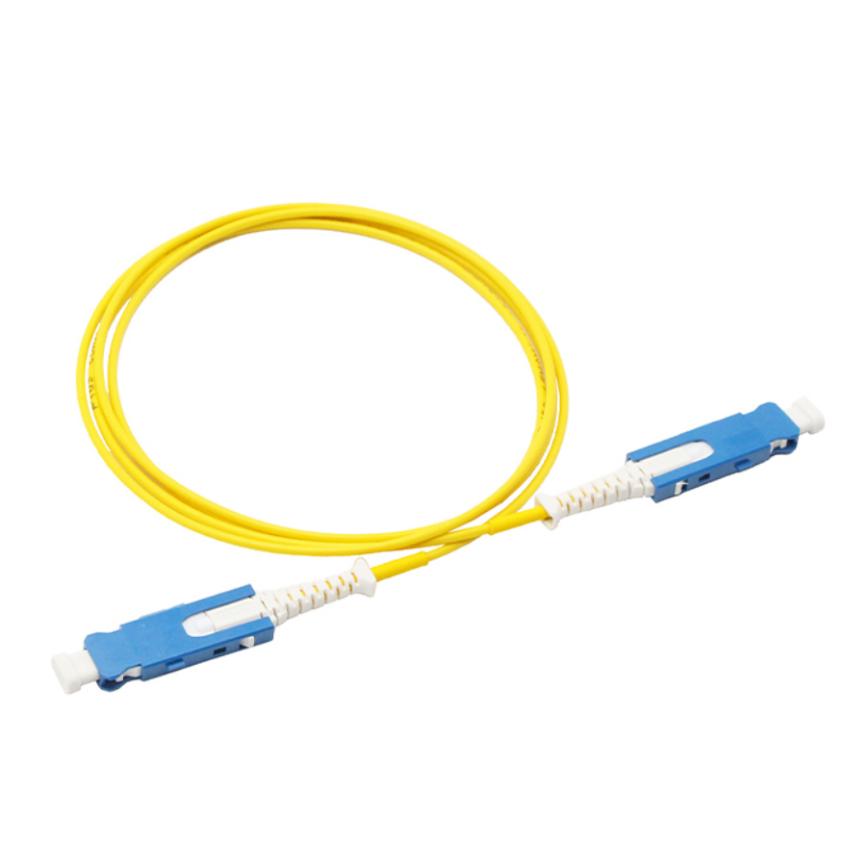
If you have ever held one in your hand, a finished assembly patch cord looks simple: two connectors, a length of cable, maybe a boot and a label. But inside that “simple” piece is a small stack of parts that each do a job. When buyers ask what fiber optic cable assemblies are made of, they usually want two things at once. First, what materials are actually in there. Second, what those materials change in real use, like bend performance, pull strength, polishing quality, and how long it keeps working once it is installed.
The core
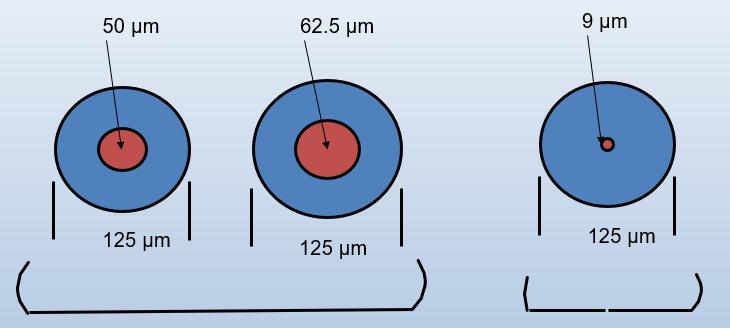
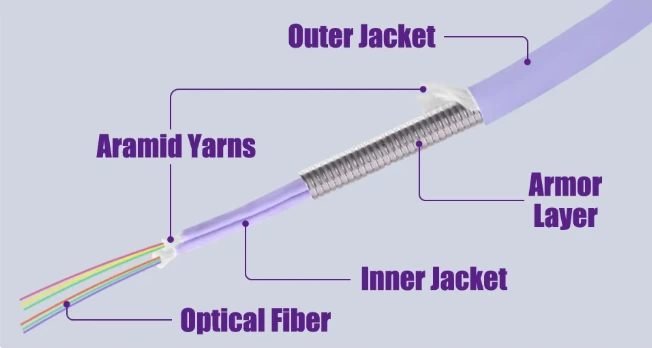
At the center of most builds is a glass fiber strand with a very specific structure. The innermost part is the core (where light travels), surrounded by cladding (which keeps the signal contained), and then a thin coating that protects the glass. This is the heart of fiber optic cable assemblies, and it is also the part that hates abuse. It does not like sharp bends, crushed routes, or sloppy handling during termination.
The buffer and strength layer
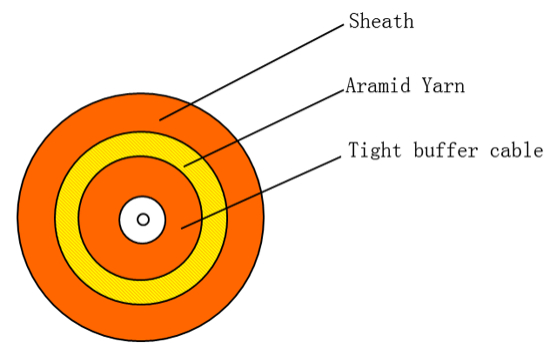
Fiber alone is too fragile to route in the real world, so it gets a buffer and strength layer. Depending on cable style, you might see:
- Tight-buffered fiber (common for indoor patch-style builds)
- Loose designs (common in outdoor cable, then broken out to assemblies through fanout kits)
- Aramid yarn (often called Kevlar by installers, even when it is not branded Kevlar) to take pulling force
This layer is one reason fiber optic cable assemblies can be dragged through trays and still survive. If you are buying for crowded racks or frequent moves, this part matters more than people think.
The outer jacket
The jacket is what people see, and it is also what decides where the assembly should live.
- PVC is common and flexible, but not always the best choice for fire codes.
- LSZH (low smoke zero halogen) is used when smoke and toxicity rules matter, like many indoor public spaces.
- PE jackets show up more in outdoor-rated cable because they handle UV and weather better.
When you compare fiber optic cable assemblies, the jacket is not only about feel. It affects temperature tolerance, abrasion resistance, and how the cable behaves when bent around corners behind a panel.
The Connector
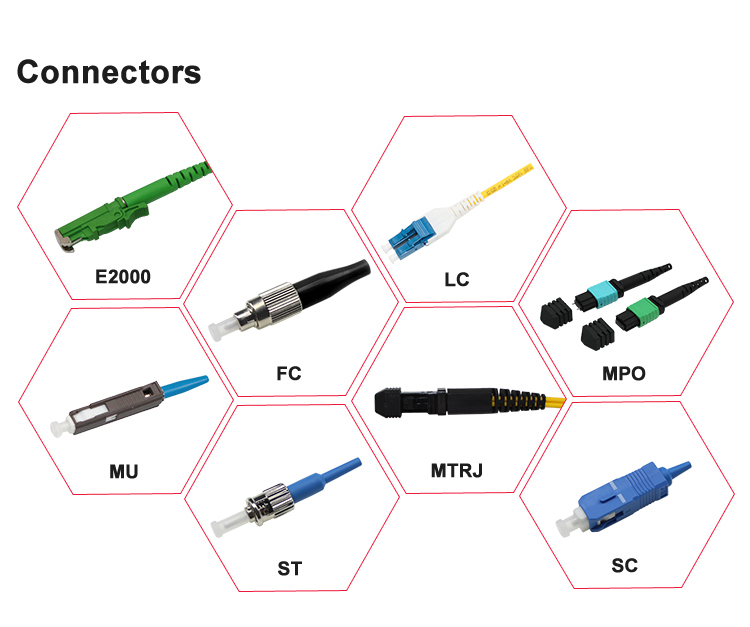
Connectors are where most performance complaints come from, not from the glass fiber itself. A connector is usually built from:
- A ferrule (often ceramic zirconia in common high-quality builds) that holds the fiber end precisely
- A connector housing (plastic or composite) that lets it lock into adapters
- A crimp and strain relief area where the cable is anchored
- A boot that reduces sharp bending right at the back of the connector
Common connector styles include LC, SC, FC, and ST, plus MPO/MTP for high-density trunks. The choice depends on port density, equipment type, and how often the link will be plugged/unplugged. In practical terms, the connector style and ferrule quality are a big part of what separates average fiber optic cable assemblies from high-performance assemblies.
Polishing, end-face geometry, and cleanliness
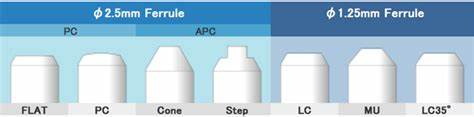
This part is invisible until it causes trouble. After termination, the fiber end face is polished and inspected. You will hear terms like UPC and APC. UPC is a flat-ish polish used widely. APC has an angled polish used often to reduce back reflection in certain systems. Either can be used in fiber optic cable assemblies, but you need to match what your hardware expects.
And yes, dust matters. A tiny speck can turn “good on paper” into random loss spikes. Most real-world link issues that look like “bad cable” are actually dirty connectors.
Extras that are still “part of it”
Depending on how the assembly is sold, you might also get:
- Heat shrink tubing for reinforcement
- Fanout legs (for multi-fiber or breakout-style builds)
- Labels for traceability and port mapping
- Pulling eyes for easier routing of long pre-terminated runs
These small pieces do not sound exciting, but they can save hours during installation, especially when you are routing many fiber optic cable assemblies across a large job.
FAQs
Do all fiber optic cable assemblies use the same glass?
No. Fiber type (single-mode/multimode) and grade vary, and it affects loss and use cases.
Is LSZH always better than PVC?
Not always. LSZH is chosen for certain indoor safety requirements. PVC can be fine where codes allow.
What matters more, connector type or polish quality?
Polish quality and cleanliness usually matter more for performance. Connector type is more about compatibility and density.