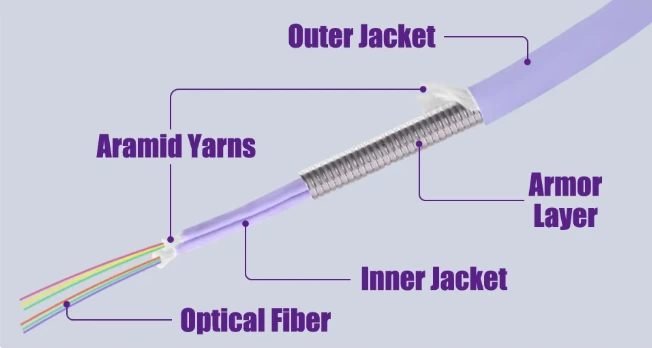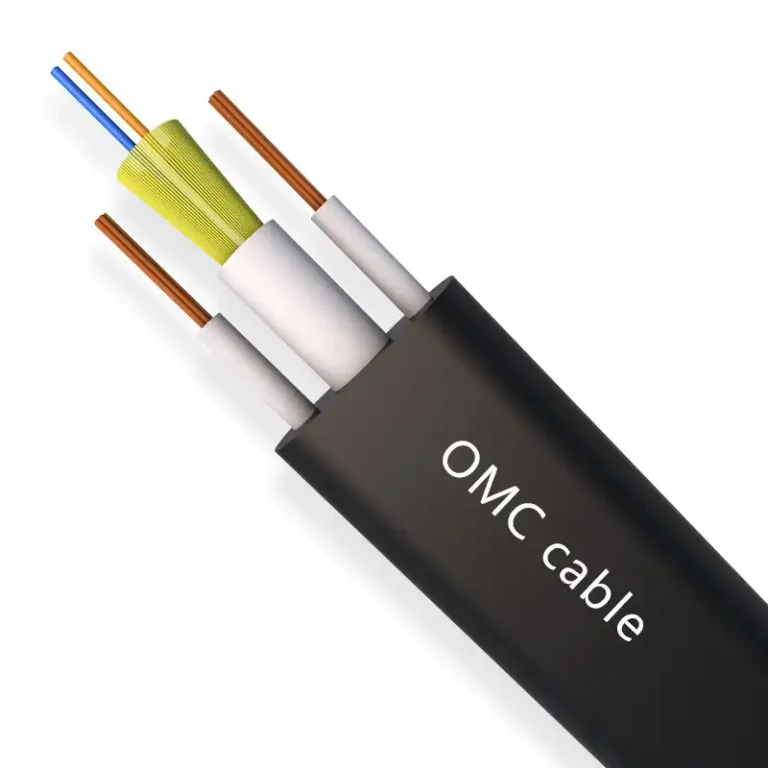








As a result of the rapid proliferation of broadband services worldwide, the deployment of 5G technology, and the emergence of smart cities, FTTH (Fiber to the Home) has become the cornerstone of modern communication infrastructure. In the FTTH configuration, FTTH drop metallic outdoor aerial cables and other kinds of drop fiber cables have become vital elements in providing the “last mile” link to subscribers.
FTTH drop metallic outdoor aerial cables are designed to meet diverse needs, offering a complete fiber access solution from outdoor installation to final indoor connections.
1. What is an FTTH Drop Cable?
The FTTH Drop Cable is the final link in the optical fiber cable that runs from the distribution point (DP) to the customer’s premises. This cable ensures fast internet connection from the access network to homes or buildings.
The key features of this FTTH drop cable are:
- Optimized for last-mile connections
- Compact design
- Compatible with air, conduit, and indoor mounting
- Reliability for transmitting signals
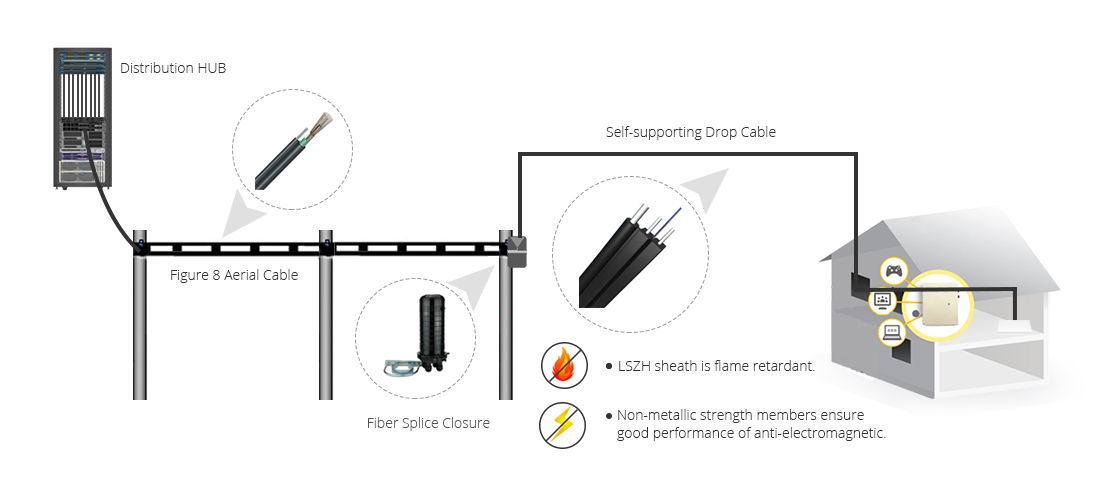
In today’s FTTH networks, the drop cable plays a critical role in determining the user experience, particularly in scenarios with high demands, and FTTH drop metallic outdoor aerial cables are especially important for outdoor applications due to their robustness and durability.
2. Major Types of FTTH Drop Cables
FTTH drop cables are designed in different structural forms to meet various installation environments and network requirements. The following table provides a clear overview of the main cable types, allowing for an easy comparison of their key technical features and typical uses before making a selection.
|
Type |
Tensile Strength | Strength Member | Installation Method | Typical Applications |
|
Metallic Outdoor Aerial Drop Cable |
High | Steel wire/steel tape | Aerial pole-to-pole installation | Urban & rural overhead FTTH networks |
|
Non-Metallic Drop Cable |
Medium | FRP / aramid yarn | Duct / aerial/indoor mixed routing | Data centers, substations, EMI-sensitive areas |
| Figure-8 Self-Supporting Drop Cable | High | Integrated steel messenger wire | Self-supporting aerial installation |
Fast FTTH rollout, long-span aerial links |
| Flat Drop Cable | Low | FRP / small steel reinforcement | Indoor / building entry wiring |
Residential FTTH indoor connections |
| Armored Drop Cable | Very High | Steel tape armored layer | Underground/industrial / aerial heavy-duty use |
Industrial zones, harsh environments, rodent-prone areas |
2.1 Metallic Outdoor Aerial Drop Cable
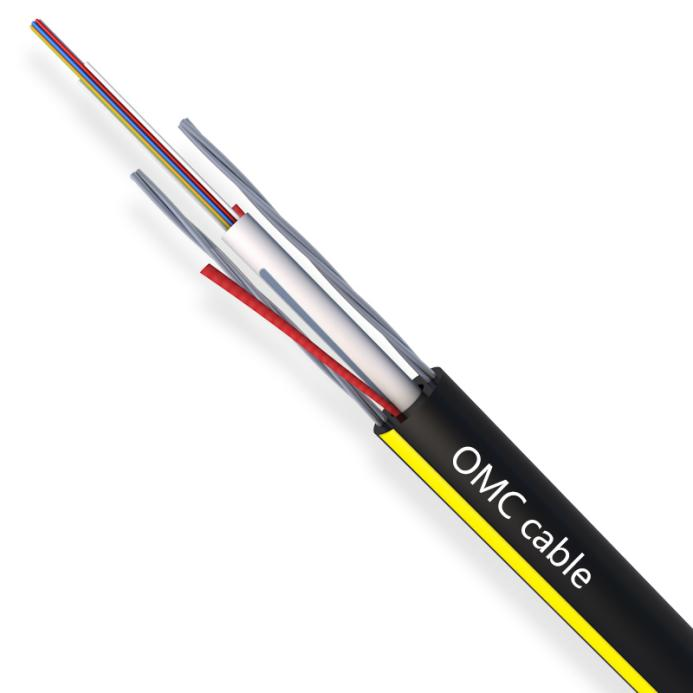
This is one of the most widely used types of FTTH drop metallic outdoor aerial cables in outdoor fiber deployment.
Main characteristics:
- Metallic strengthening elements (steel wires/steel tapes)
- High tensile strength ideal for aerial deployment
- Wind, vibration, and mechanical stress resistant
- High durability in tough outdoor conditions
Common applications:
- Aerial fiber deployment in urban areas
- Broadband installation in rural areas
- FTTH deployment from pole to pole
This cable is usually the favorite choice of many telecom companies, especially where FTTH drop metallic outdoor aerial cables are required for reliable long-distance connections.
2.2 Non-Metallic Outdoor Drop Cables
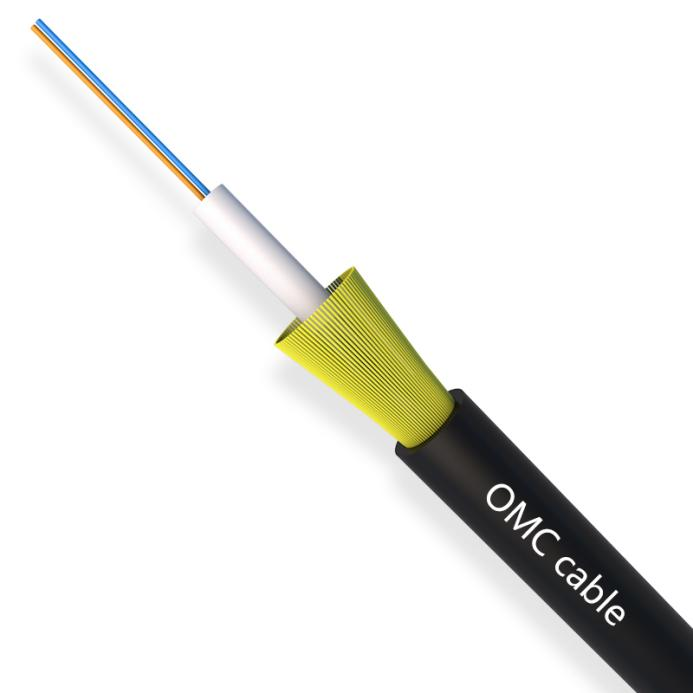
The non-metallic drop cables have either FRP (fiberglass reinforced plastic) or aramid yarn as their strengthening components, making them totally non-metallic cables.
Main characteristics:
- Electromagnetic interference resistant
- Light in weight and easy to install
- Safe in power stations/substations
- High flexibility and easy installation
Common applications:
- Power plants/substations
- Data centers
- Indoor/outdoor hybrid networks
2.3 Figure-8 Self-Supporting Drop Cable
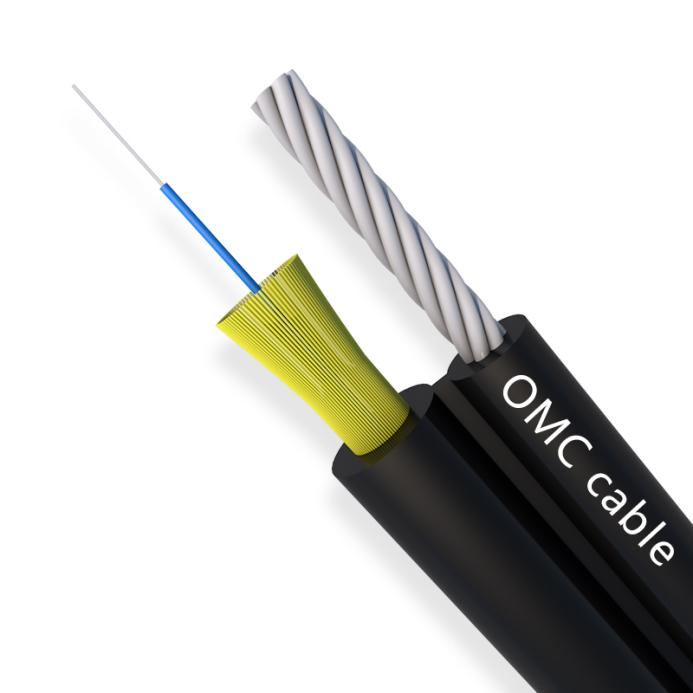
The cable is unique due to its “figure-8” design, which incorporates a messenger wire to provide extra support.
Features:
- Built-in load-bearing steel messenger wire
- Fast installation and economical cost
- Can be installed across medium to long spans
- Reduced use of other support equipment
Applications:
- Quick FTTH rollouts
- Cross-area network links
- Broadband expansion into rural/suburban areas
2.4 Flat Drop Cable
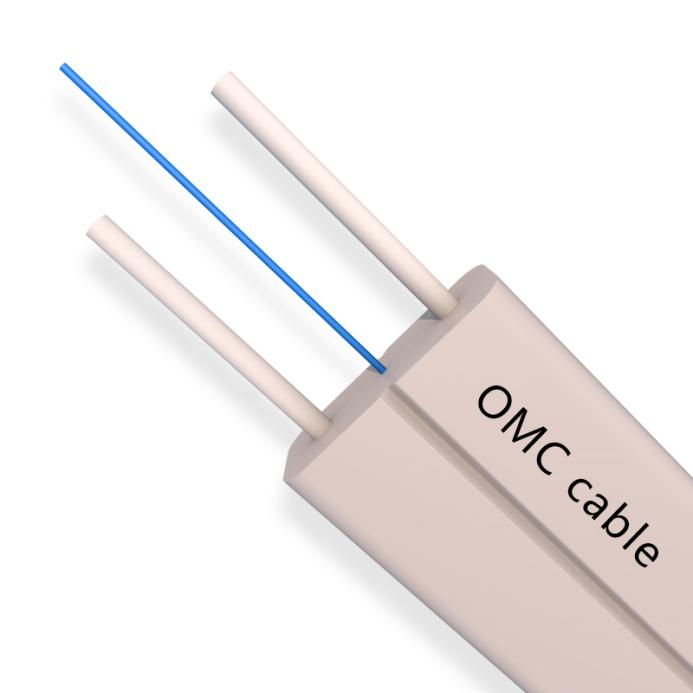
It is regarded as one of the most popular types of fiber cable installed indoors.
Features:
- Flexible design that can bend easily
- Suitable for indoor and outdoor installations
- Inexpensive for large-scale installations
- Easy to install
Applications:
- FTTH Indoor installations
- Wiring of residential buildings
- Transitions between indoor/outdoor networks
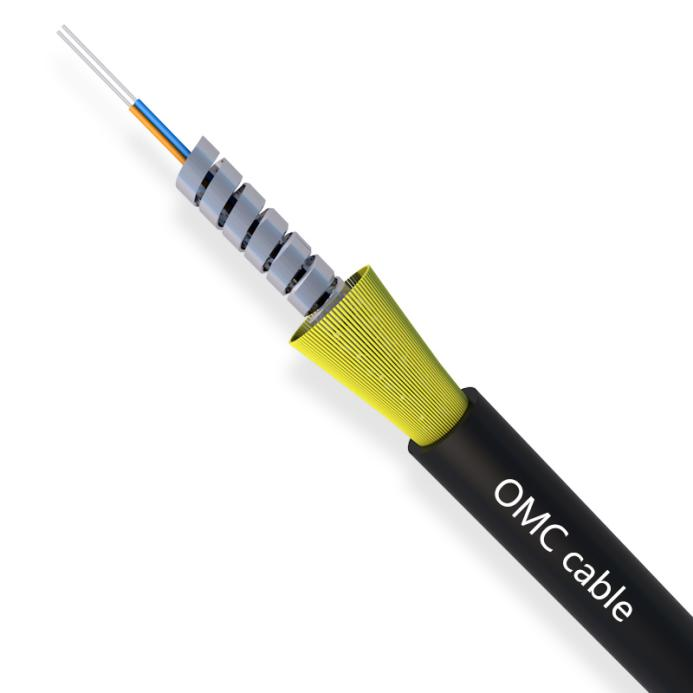
Armored drop cables include additional protective layers such as steel tape or metallic armor for enhanced durability.
Key features:
- Very high compressive and impact resistance
- Protection against rodent damage
- Extended service life in harsh environments
- Suitable for underground or industrial areas
Typical applications:
- Industrial zones
- Underground fiber installations
- High-risk mechanical environments
4. Selecting the Proper FTTH Drop Cable
Selecting the proper FTTH Drop Cable involves considering several criteria:
Installation Location: It has to be decided whether the installation location is indoors, outdoors, aerial, or underground.
- Span and Load: The load on longer spans necessitates stronger reinforcement, particularly in the case of aerial FTTH drop metallic outdoor aerial cables.
- Electromagnetic Compatibility: Non-metallic drop cable is the better choice where there is an EMI concern.
- Construction Budget: The use of flat drop cable is cost-effective for mass residential deployment.
- Environmental Protection: Armored cable is necessary in hazardous or rugged installations.
The right selection can considerably reduce the maintenance cost.
5. Emerging Development Trends
The industry of FTTH cables still undergoes transformations based on the increasing demands of the world regarding broadband services. Main trends in the industry are represented by:
- Greater tensile strength is required for long spans above ground
- Low weight needed for ease of deployment
- Less optical losses that provide superior performance
- Combined materials used for hybrid cable design
- Increased resistance to adverse weather conditions
However, regardless of all the innovative features mentioned above, FTTH drops metallic outdoor aerial cables continue to be widely used due to their high stability and strength.
6. Conclusion
FTTH Drop Cables can be seen as vital parts of the contemporary fiber optics network, each of which serves specific purposes.
Whether it comes to the lightweight flat drop cables for household use or high-tensile strength metallic outdoor aerial cables that are deployed outside, all the structures play an important role in maintaining consistent connectivity.
In real-life applications of the technology, the choice of FTTH drop metallic outdoor aerial cables can have a positive impact on the network’s performance and longevity.
If you’re looking for reliable, high-performance solutions, consider choosing OMC products for your FTTH deployment.