







The correct choice of a cabling solution is the key to stable network performance and longer security. The difference between indoor and outdoor cable is commonly required to be clear to installers and project planners because each type of cable has its own environment and performance needs.
The two have significant differences in design, materials, and place of use, even though both of them have the same purpose of transmitting data or a signal. The knowledge of these differences can prevent businesses and various infrastructure developers from making the right decisions and eliminating expensive replacements.
The three most prominent differences between Indoor & Outdoor Cable are given below, and they clearly state where and how each of the types should be applied.

Environmental Protection and Durability
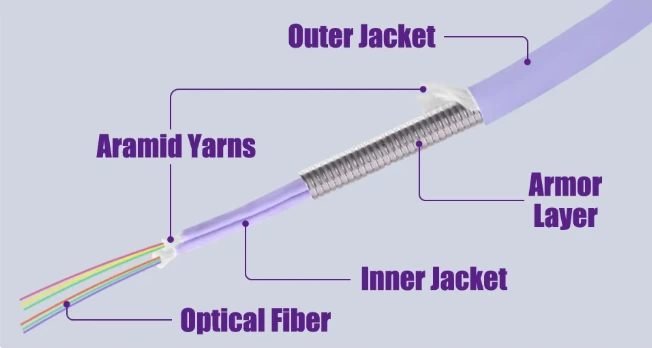
The difference between Indoor & Outdoor Cable is most important with respect to environmental resistance. Outdoor cables are made to endure extreme environmental factors like ultraviolet ( UV ) radiation, rain, humidity, changes in temperature, and mechanical forces. They are usually characterized by heavier jackets that are designed out of UV-resistant and waterproof materials, and this makes them stable to use even in the long run.
On the other hand, indoor cables are to be used in controlled areas. They are not in need of shielding against sunlight or wetness, and as a result, wear lighter jackets that are more elastic. Although they are appropriate in offices, residential buildings, and data centers, indoor cables may disintegrate easily in the outdoor environment.
Fire Safety and Compliance Standards
Fire safety is another key area where Indoor & Outdoor Cable differ, as each is engineered to meet the safety standards of its intended environment. The compliance of the indoor cables has to be very fire-retardant. A large number of them are flame-retardant or low-smoke, zero-halogen LSZH cables. These properties assist in reducing toxic smoke and retard fire spread in close areas, which is essential in ensuring people and equipment safety.
Outdoor Cables: Outdoor cables do not focus on fire resistance, but instead on environmental durability. Their jackets are not designed normally to accommodate fire safety in the indoor environment. Consequently, the installation of outdoor-rated cables in buildings can go against the local safety code.
Installation Scenarios and Cost Considerations
Cables used outdoors are heavier and not as flexible because they are reinforced. They must be handled carefully during installation, particularly when they have to cover a long distance or an underground route. Outdoor cables can be very costly in many cases due to these additional features.
Indoor cables are less heavy, they are easier to navigate through walls, ceilings, and cable trays, and are usually cheaper. Placing outdoor cable inside can lead to unnecessary project cost increments, whereas placing indoor cable outside can lead to an early failure.
Choosing the Right Cable for Your Project
The choice of Indoor Cable or Outdoor Cable should depend on the environment of installation, safety requirements, and performance needs for long-term performance. Before making a decision, network planners have to consider exposure conditions, the local compliance standards, and the operational lifespan.
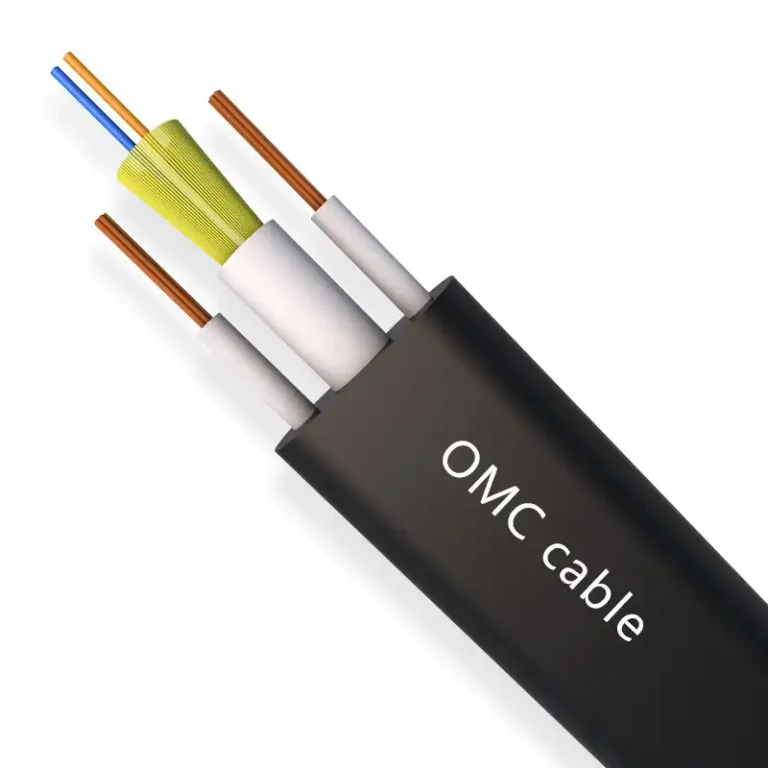
OMC Cable has a full line of Indoor & Outdoor Cable solutions that are used in a variety of projects, including structured building networks and mixed environment applications. The manufacturing of every product is highly controlled to maintain the performance of the product and its adherence to international standards.
Conclusion
Although the details of the indoor and outdoor cables are similar, they also differ greatly and have a direct effect on the safety, durability, and overall stability of the system. Knowing the main differences between Indoor & Outdoor Cables, businesses can decrease the cost of maintenance, enhance performance, and provide stability in the network over the long term.