







Unlike traditional cabling solutions, a fiber copper hybrid cable can significantly simplify network infrastructure, reduce installation costs, and improve system reliability. However, proper installation is crucial to ensure optimal performance, safety, and long-term durability. This article provides a comprehensive installation guide and best practices for deploying fiber copper hybrid cable effectively in various applications.
1. Analyzing the Composition of Fiber Copper Hybrid Cable
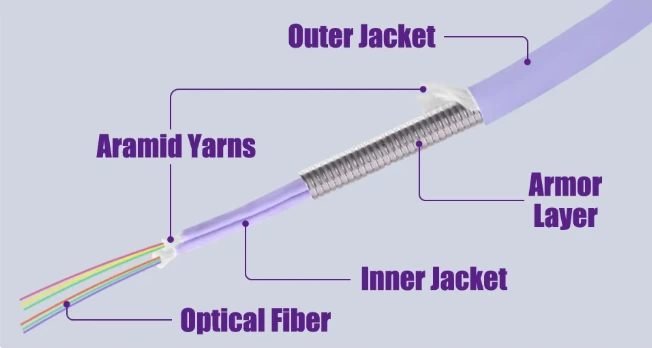
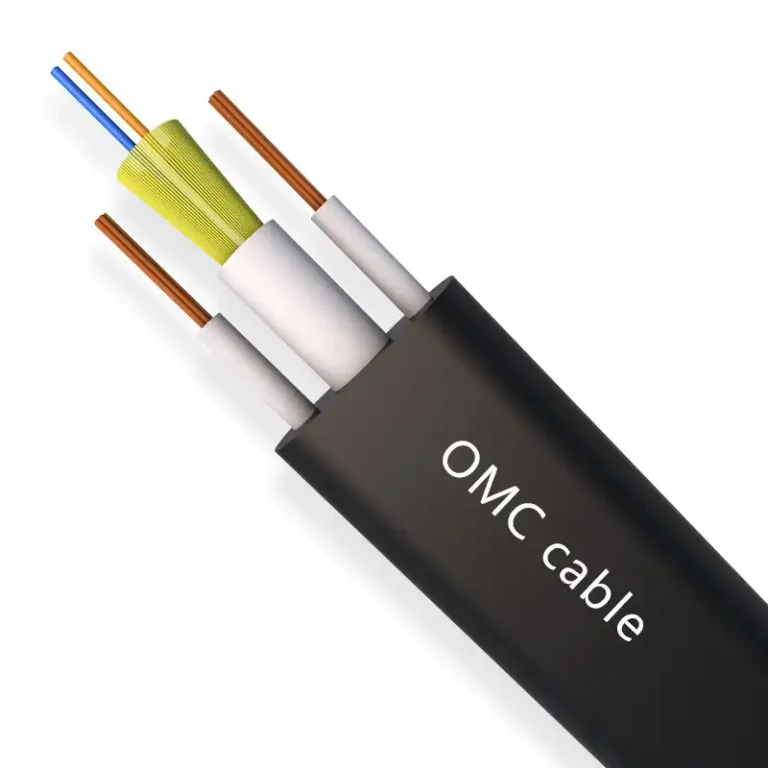
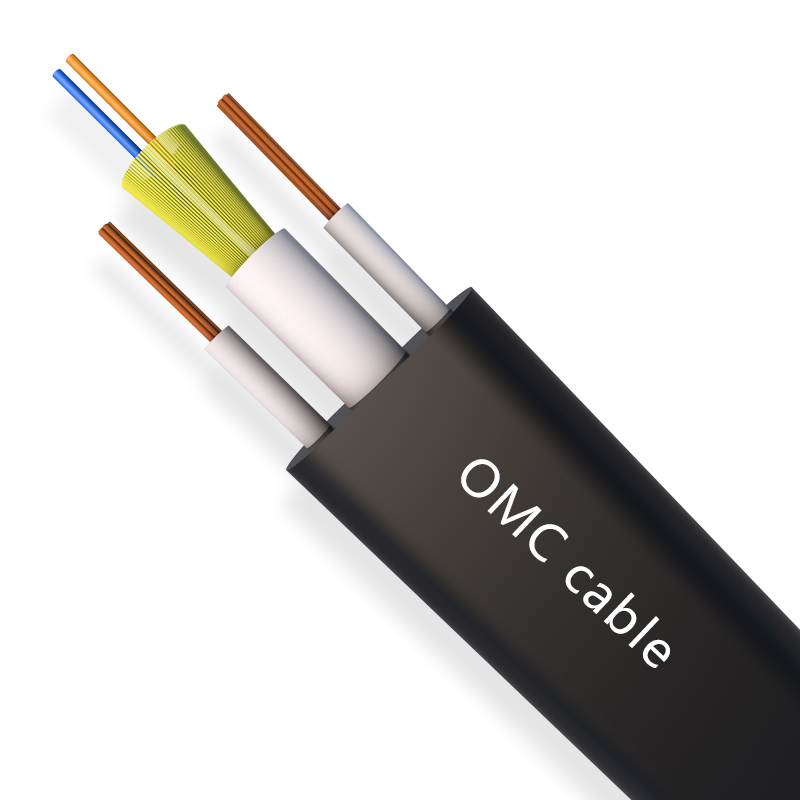
The fiber copper hybrid cable integrates the capabilities of fiber optic and copper wires. The basic structure of the hybrid cable usually comprises the following:
- Fiber cores with high efficiency for fast data transmission
- Copper wires for electricity transmission or communication at low speeds
- Protective layers, including LSZH, PVC, and TPU jackets
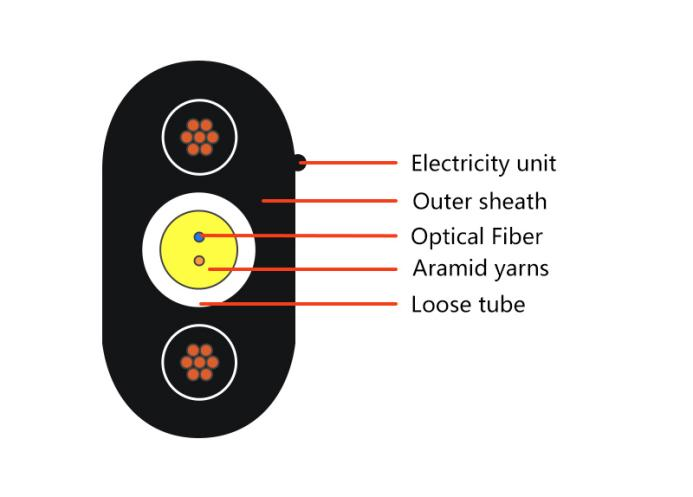
Before deployment, it is necessary to know that:
- Fiber cores are fragile and susceptible to bending
- Copper wires should be able to fulfill power requirements
- There are differences in terms of weight, flexibility, and resilience among different types of fiber copper hybrid cables
Knowledge of the above features will help engineers select the appropriate cable design.
2. Preparation Before Installation
The proper preparation is necessary to have a trouble-free installation of fiber copper hybrid cable. The following preparations are needed for installing fiber copper hybrid cable.
1. Check the pathway of the cable
- Do not use pathways with sharp bends, tight curves, or high heat or chemical hazards
- Check if there is electromagnetic interference due to surrounding electrical installations
2. Prepare the equipment and materials
- Equipment for fiber cable stripping and cleaning, a wire cutter, and bend radius measurement equipment
- Suitable connectors, fiber adapters, and terminal boxes
- Safety gear like gloves and goggles
3. Training of the installation crew
- Fiber cables need delicate care during installation to minimize signal loss
- Proper connection of copper wires should be done to avoid a short circuit or inadequate electricity
- Installation teams must be knowledgeable about electrical and fire codes in the locality
- Proper preparation does not just guarantee efficiency but also avoids possible errors that can harm the cable and the attached device.
3. Major Considerations for Installing Fiber Copper Hybrid Cable
3.1 Cabling Installation and Fixation
- Follow the specified bending radius to ensure safe fiber bending
- Support the cabling installation through the use of clamps, racks, or conduits
- Apply minimal pulling tension to maintain fiber and copper structural integrity
- Optimize cable path for short distances and ease of access during maintenance
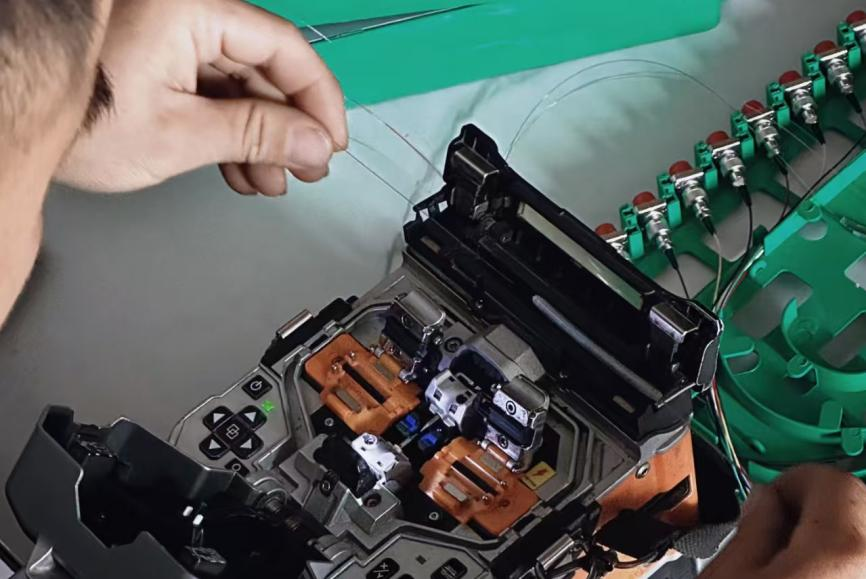
3.2 Fiber Connection
- Perform fiber face cleaning with specialized cleaning devices
- Avoid any dust, scratches, or tight bends in fibers, which can affect performance
- Test the fiber link using a fiber tester to ensure low attenuation
- Marking the fiber strands for easy identification during connection
3.3 Copper Wire Termination
- Match copper wire gauge size according to power and PoE requirements
- Maintain minimal cable length to limit voltage loss
- Ensure effective wire pairing and shielding to reduce interference
- For industrial purposes, ensure copper terminations are resistant to vibrations
4. Maintenance and Best Practices
Maintenance and adherence to best practices are key components for ensuring that the fiber copper hybrid cable operates effectively over the long term:
1.Check for bend radius regularly
- Avoid stress on both fiber and copper
- Use bend monitoring markers for easier cable management
2.Maintain the cleanliness and dryness of the cable
- Check copper conductors to avoid corrosion
- Check jackets for cracks or any form of damage
3.Avoid electromagnetic interference
- Ensure that the fiber copper hybrid cable is far from high-power electrical equipment
- Use shielding or make routing changes as necessary
4.Keep records of the cable installation
- Identify each fiber copper hybrid cable by noting the path, termination, and usage
- Helpful for troubleshooting or network expansion in the future
- Document the cables in detail, including type, length, and connection points, in a digital format
5. Performance testing
- Conduct performance tests on both the fiber and the copper parts
- Test for signal loss and voltage drop, along with overall system efficiency
5. Uses of Fiber-Copper Composite Cable
The fiber-copper composite cable is flexible and finds its application in different industries, such as:
- Enterprise Networks and LANs:Deliver high-speed data to office switches, routers, and Wi-Fi access points while simultaneously providing power through PoE, reducing the need for separate electrical wiring.
- Security and Surveillance Systems:Power and connect IP cameras and security devices using a single cable, making deployment faster and more reliable.
- Campus and Building Networks:Support both data and power for remote network nodes, wireless access points, and small monitoring devices, reducing the complexity of multi-cable installations.
- Edge Devices and Remote Terminals:Ideal for networked devices where running separate power and fiber cabling is impractical, such as small office branches, remote workstations, and IoT edge devices.

6. Conclusion
The installation of fiber copper hybrid cable is important to ensure efficient data transmission and power supply in today’s network structures. With knowledge of the structure of the cable, correct preparation of equipment, and following proper installation steps and maintenance procedures, organizations can get the best results from using fiber copper hybrid cables in smart buildings, data centers, and industrial automation. Proper choice of cable and following the correct installation procedures ensures efficient functioning of fiber copper hybrid cables.
OMC supplies high-quality fiber copper hybrid cable solutions for different applications, including smart buildings and data centers, and for industries involved in industrial automation.