







In the fields of audio and network transmission, cables play a crucial role as the infrastructure for signal transmission. With the advancement of technology, more types of cables have emerged to meet the demands of various applications. Traditional audio cables and fiber optic toneable cables (audio-specific fiber optic cables) are two common types of cables, each with significant differences in structure, usage, transmission quality, and other aspects.
1. Description of Various Kinds of Cables
- Traditional Audio Cable: As the name indicates, these cables are typically used for transmitting audio signals and are commonly employed in the areas of sound systems, recording devices, television systems, and home entertainment centers. Some examples of these cables include the Balanced Cables, Unbalanced Cables, Coaxial cables,and RCA cables.
- Toneable Cable: This is not a specific audio cable, despite its name, and is essentially a fiber optic cable that finds use in Fiber-to-the-Home (FTTx). They use the fiber optic technique for transferring the information using the light signals instead of electrical ones. It provides high-speed and reliable connections and is used in FTTH (fiber-to-the-home) and FTTB (fiber-to-the-building).
2. Structure and Design
Traditional Audio Cable Structure:
- Balanced Cable: Made of three conductors (positive, negative, and ground), designed to minimize interference, ideal for long-distance audio transmission.
- Unbalanced Cable: Contains two conductors (signal and ground), simple structure, but more prone to interference over long distances.
- Coaxial Cable: Composed of an inner conductor, outer conductor (shielding), and insulation layer, used for digital audio signals, offering strong resistance to interference.
- RCA Cable: Two conductors, commonly used for low-power audio equipment like home audio systems.
Structure of Fiber Optic Toneable Cables:
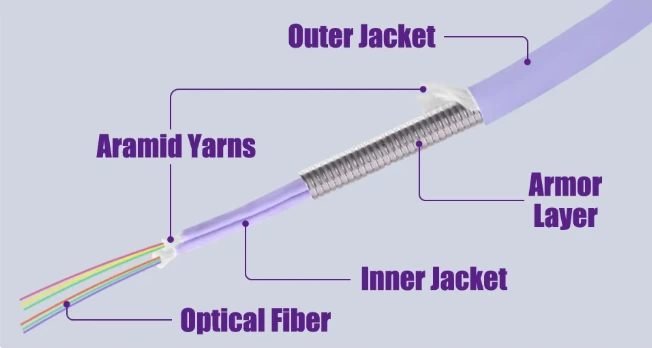
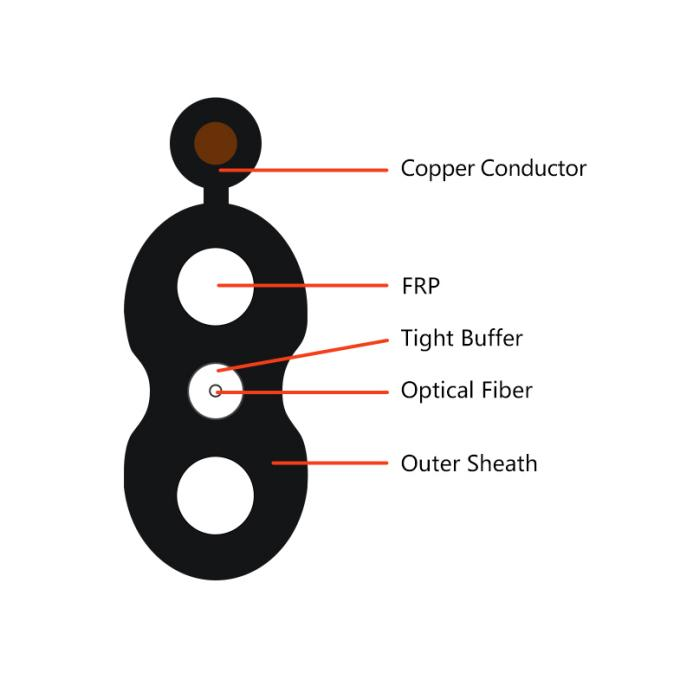
Fiber Optic Toneable Cables utilize fiber optic technology to transfer data. Their structure may comprise the following elements:
- Optical Fiber Core:
Made of glass or silica, responsible for transmitting light signals, ensuring efficient data transmission.
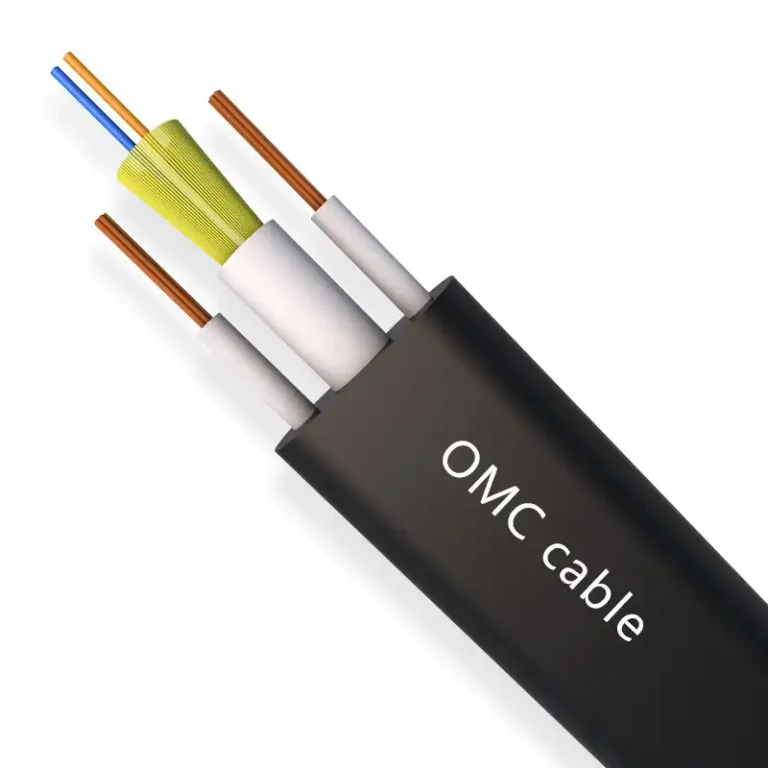
- 9mm Tight-Buffered Optical Fiber:
Provides additional protection, enhancing the fiber’s stability and durability, preventing physical damage.
- Glass-Fiber Reinforced Rods:
Increases the tensile strength of the cable, protecting the fiber from external pulling forces.
- Polyethylene (PE) Jacket:
Provides durable outer protection, preventing damage from water, chemicals, and environmental factors, making it suitable for outdoor installation.
- Locator Line Function:
Built-in copper wire allows the cable to be easily located during installation for quick wiring.
3. Method of Transmission and Applications
Transmission Using Traditional Audio Cable:
In general, traditional audio cables transmit electronic signals. They have a significant impact on audio devices in terms of ensuring safe and secure transmission of audio signals in audio systems.
Transmission Using Fiber Optic Toneable Cables:
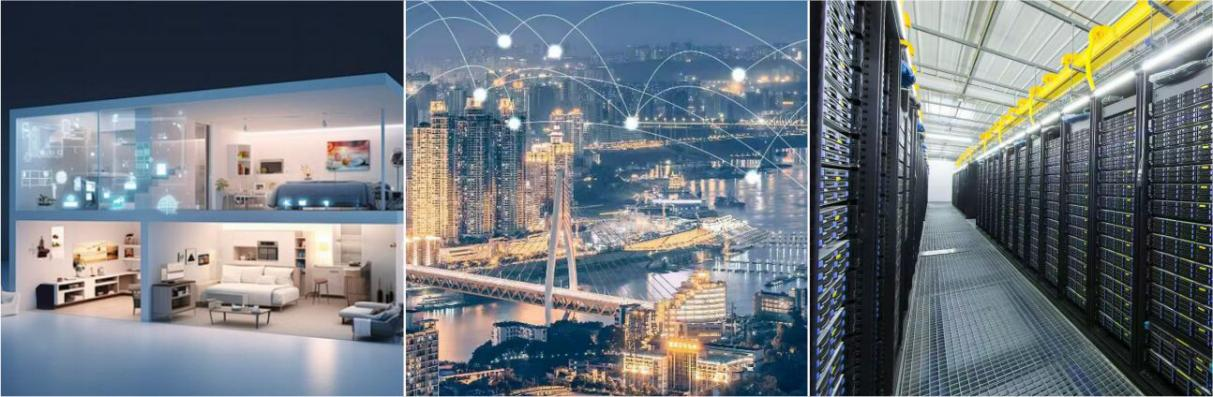
Data is transmitted through the use of optical signals in Fiber Optic Toneable Cables. As they are immune to EMI (Electromagnetic Interference), fiber optic Toneable Cables support long-range transmission at faster rates. Examples of applications include the following.
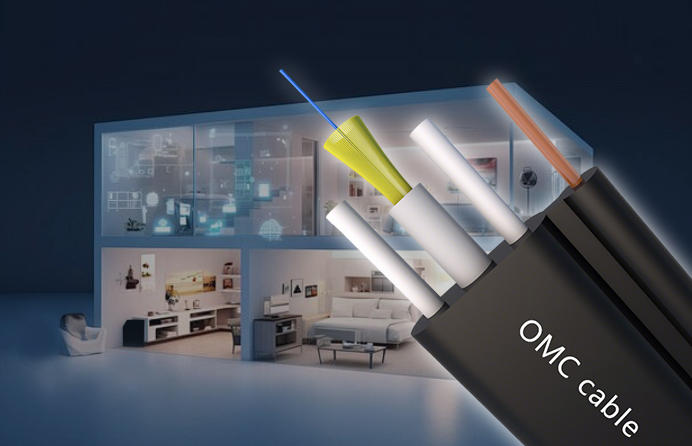
- FTTx Solutions: It is employed in FTTH and FTTB deployments to provide high-speed internet services.
- Telecommunication Networks: They are critical in providing long-range, high-speed communication services, whether for mobile or internet service infrastructure.
- Data Centers: They link data centers to ensure high-speed data transfer.
4. Transmission Effectiveness and Resistance to Interference
- Traditional Audio Cable: During the process of long-distance transmission, especially with unbalanced cables, traditional audio cables are more vulnerable to electromagnetic interference and radio frequency interference. The use of balanced and coaxial cable helps to provide shielding against the interference.
- Fiber Optic Toneable Cable: As light signals are used, there is zero possibility of EMI (Electromagnetic Interference). Hence, fiber optic toneable cables provide better signal quality and higher immunity to interference.

5. Installation and Maintenance
Installation and Maintenance of Traditional Audio Cable:
It is quite easy to install traditional audio cables; in particular, it becomes quite easy to install unbalanced cables (like RCA). However, over the course of time, traditional cables may suffer from signal interference. In order to ensure that signals are transmitted without interference, cables need to be inspected periodically.
Installation and Maintenance of Fiber Optic Toneable Cable:
While installing fiber-optic cables, certain skilled workers should be hired to cut, connect and test those cables. However, once the process of installation has been completed, maintenance becomes less problematic because fiber-optic cables resist pressure and tension to a great extent.
6. Cost
- Traditional Audio Cables: Traditional audio cables have lower initial costs when compared with fiber optic cables; therefore, they become an affordable option for audio systems where low-quality transmission would suffice.
- Fiber Optic Toneable Cable: As a matter of fact, fiber optic cables require more money than traditional ones during installation owing to additional technical services needed. However, fiber optic cables would prove to be valuable investments for systems involving high-bandwidth transmission.
7. OMC 1F Toneable Flat Drop Cable: A Perfect Fit for Fiber Access Network
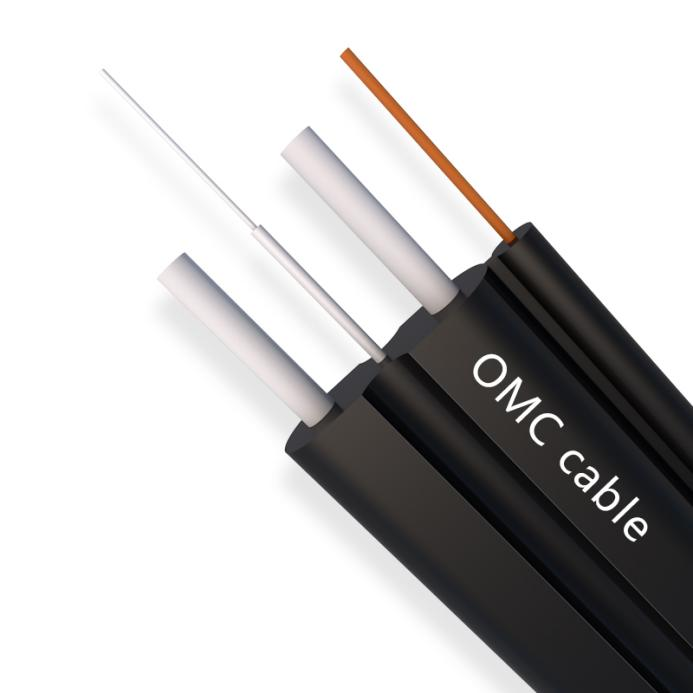
This model of drop cable by OMC is intended for the deployment of fiber optics in Fiber-to-the-X (FTTx) applications. This fiber optic access solution features high bandwidth, high durability, and ease of use, allowing to establish high-speed internet in both domestic and corporate locations.
Properties of OMC 1F Toneable Flat Drop Cable:
- Structure: Tight-buffered optical fiber 0.9 mm diameter with two glass fiber-reinforced rods providing tensile strength, all coated with highly resistant Polyethylene (PE) sheathing. As a result, the product has been optimized for exterior use.
- Positioning line: The cable incorporates a copper line with a size of 24 AWG, which allows easy locating of the wire during the deployment, ensuring rapid and effective grounding.
- Use Cases: Designed primarily for FTTH/FTTB network applications, this drop cable can be used to provide a stable and fast connection to the Internet.
Summary: Selection of the Suitable Cable
Remote High-Speed Internet Access: On the other hand, when it comes to requirements related to remote high-speed internet access and fiber-optic network connectivity, toneable cable with Fiber Optic would be a preferable option due to its advantages.
High-Fidelity Audio Transmission: In case you require high-fidelity audio transmission within a shorter transmission distance, then conventional audio cables, such as balanced audio cables, coaxial cables, and so forth, would serve the purpose.
Familiarity with the distinct characteristics of these two cables would certainly assist you in making a wise selection.