







When you enjoy seamless video streaming, ultra-fast downloads, or lag-free video calls, there is an invisible infrastructure making it all possible. One of the most critical yet often overlooked technologies behind modern wireless communication is fiber-to-the-antenna (FTTA).
In view of the rapid rise in data usage and with the proliferation of 5G networks, fiber-to-the-antenna (FTTA) has emerged as a necessary technology for the mobile operators of today. It is not just an upgrade but the very backbone that sustains today’s high-speed communication system.
What Is The Significance Of Fiber-To-The-Antenna In Today’s Networks?
Unlike the conventional mobile communication system that used to use coaxial cables, the new-age fiber-to-the-antenna system uses optical fiber for data transmission.
Advantages of FTTA include:
- Reduced signal loss during the transmission
- Higher bandwidth capacity to accommodate data-intensive transmissions
- Strong resistance to electromagnetic interference
- Increased stability of operation in crowded networks
FTTA simply ensures that mobile networks are faster, more reliable, and more stable.
How FTTA Operates in a Real Network
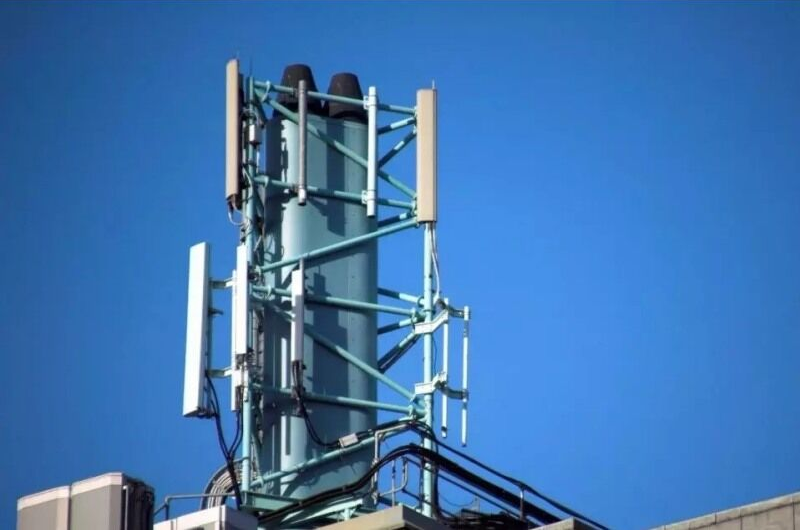
To comprehend how FTTA actually operates in real networks, take, for example, the components that make up a typical base station network:
- Base Band Unit (BBU): signal processing
- Remote Radio Unit (RRU): RF conversion
- Antenna: transmission of signals to users
In fiber-to-the-antenna, the connection between the BBU and RRU is done through optical fiber rather than conventional copper cables.
This is achieved by:
- Processing of digital signals in the BBU
- Conversion of digital signals to optical form
- Transmitting signals via optical fiber to the antenna location
- Conversion of optical signals to RF signals at RRU
- Transmitting RF signals from the antenna to mobile devices
FTTA vs Traditional Coaxial Cable
To clearly understand the value of FTTA, the comparison below highlights the differences between FTTA and traditional coaxial cable systems.
|
Feature |
Fiber-to-the-Antenna (FTTA) | Traditional Coaxial Cable |
|
Transmission Medium |
Optical fiber (light signal) |
Electrical copper signal |
| Signal Loss |
Very low over long distance |
High signal attenuation |
|
Bandwidth Capacity |
Extremely high, suitable for 5G |
Limited for modern networks |
|
Interference Resistance |
Strong resistance to EMI | Easily affected by interference |
|
Network Performance |
Stable, low latency, high efficiency | Degrades over distance |
| Deployment Flexibility | Supports distributed antenna systems |
Limited by distance constraints |
| Maintenance Cost |
Lower long-term cost |
Higher due to frequent issues |
|
5G Compatibility |
Fully suitable for 5G architecture |
Not ideal for advanced networks |
This comparison clearly shows why FTTA has become the preferred solution for modern communication infrastructure.
FTTA Used in 5G Networks Deployment
Deployment of the 5G networks caused the demand for Fiber-To-The-Antenna (FTTA) technology to grow significantly. The main distinguishing factors that are required for 5G implementation include:
- Implementation of the small cell networks
- High-density of antenna deployment
- Usage of Massive MIMO technology
- Ultra-low-latency communication
All these requirements are addressed successfully by FTTA due to its ability to provide:
- Fast backhauling
- Stable synchronization of distributed antennas
- Low-latency transmission of data
- Scalable design for dense city areas
Without FTTA implementation, large-scale 5G system deployment will be hardly possible.
The Practical Realization of FTTA Technology – OMC FTTA CPRI Cable
To deploy the FTTA technology in real-life communication networks, special fiber optic assemblies need to be employed.
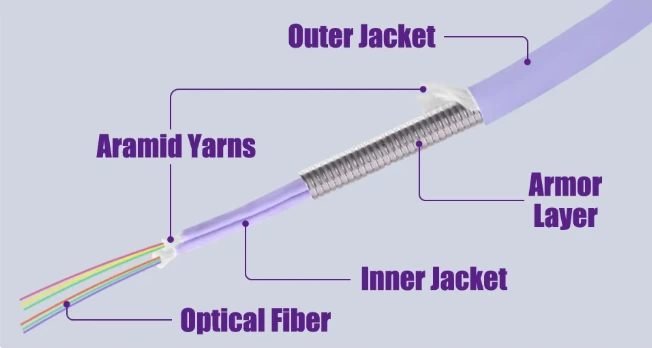
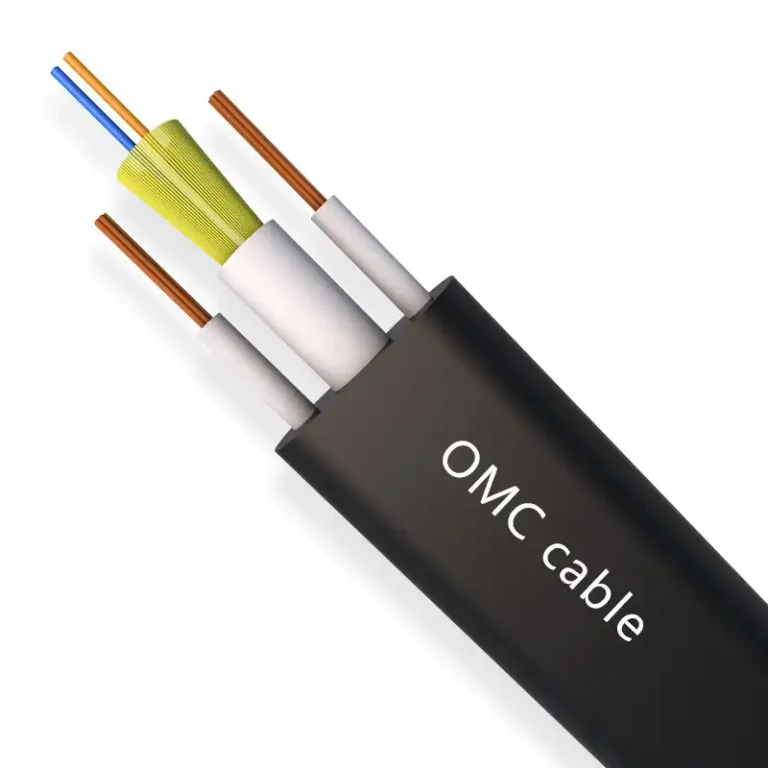
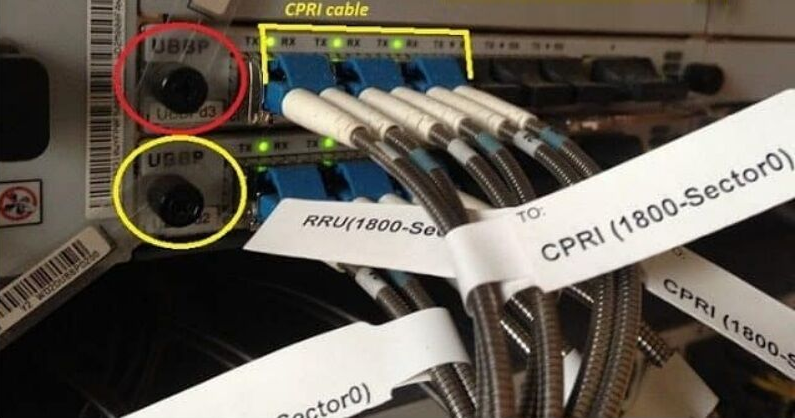
Among such components, there is the OMC’s FTTA CPRI Cable that refers to fiber optic assemblies connecting Baseband Unit (BBU) and Remote Radio Unit (RRU) in wireless communication networks.
CPRI refers to Common Public Radio Interface standards, defining methods for the transmission of digital information between baseband equipment and radio units of the networks.
Thus, OMC FTTA CPRI Cable performs crucial functions in FTTA systems by implementing:
1.Replacement of standard coaxial fronthaul cables
2.Fiber optic long-distance fast transmission of information
3. Establishment of the stabilized link between BBU and RRU
FTTA in Urban and Dense Network Areas
In connection with the growing demands in particular locations that are highly frequented with network traffic, including:
- Shopping complexes
- Sports stadiums
- Business centers
- Transport terminals
Fiber-to-the-antenna helps operators implement small cells and distributed antennas.
It allows:
1.Connectivity for many users at once
2.Flexible installation of antennas on buildings and street infrastructure
3.Seamless indoor/outdoor connection integration
4.Large amounts of data transfer in peak network load areas
FTTA is an important step in creating truly connected smart cities.
FTTA in Remote and Unfavorable Environments
Away from urban zones, there’s another area where FTTA becomes highly needed.
The issues such as remoteness, mountainous terrain, desert climate, and severe weather conditions lead to unreliable network connectivity. To solve that, fiber-to-the-antenna offers:
- Low-loss and long-distance transmission
- High resistance to interference by external factors
- Stable operation in extreme conditions
- Decreased need for signal amplification
Thus, communication becomes reliable in the previously underprivileged areas.
Conclusion: FTTA – The Future of Wireless Communication Networks
Fiber-to-the-antenna (FTTA) is not only an improvement in technology; rather, it forms the basis for contemporary wireless communication technologies. It enhances speeds, performance, and scalability by upgrading the existing wired infrastructure to optical fiber.
FTTA remains a key component behind numerous wireless communication technologies, from the fourth and fifth generations to smart cities and other innovative solutions in telecommunications infrastructure. Using complementary components such as the OMC’s FTTA CPRI cable, operators will be able to create highly efficient networks capable of meeting future demands for bandwidth capacity.
As our society becomes increasingly dependent on fast and stable wireless connections, FTTA will continue to be an integral part of our technological infrastructure.