







As far as the current state of digital infrastructure is concerned, fiber optic networks constitute the base for all communication infrastructure in the world. In modern communication networks, high-speed transmission requirements typically range from 10 Gbps to 400 Gbps depending on the application scenario, and some specialized systems may require even higher data rates. This means that selection of reputable fiber cable manufacturers goes well beyond procurement and becomes an engineering task.
There is no lack of fiber cable manufacturers on the market, but the problem is not to find them; the problem is to find those who deliver engineering-grade reliability and specific application solutions.
Network Performance Requirements and Industry Standards
The performance of fiber optic cables directly depends on the quality of the cable used. In modern telecommunications, data transmission speeds typically range from 10 Gbps to 400 Gbps depending on project requirements, and in certain high-demand applications, even higher bandwidth may be required.
In order to provide stable transmission, professional manufacturers of fiber optic cables have to meet a number of international standards such as ITU-T G.652D, G.657A1 and IEC 60794. Such standards cover many important parameters, such as attenuation, bending radius, and mechanical characteristics.
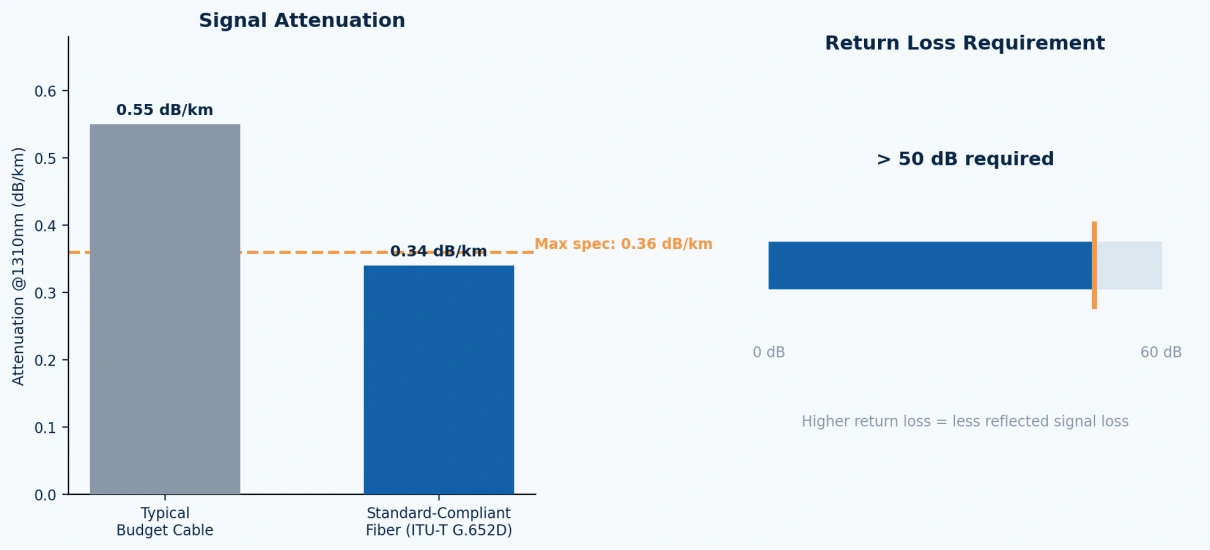
For instance, attenuation should be no more than 0.36 dB/km (1310 nm wavelength), and the return loss should be over 50 dB to reduce the reflections of the signal.
In actual applications like underground conduits, building risers, or backbone installations outdoors, fiber optic cables have to endure various mechanical and environmental strains. Thus, only sophisticated fiber optic cable suppliers having stringent optical testing facilities and completely automated manufacturing lines can provide dependable results for big projects.
Manufacturing Capability and Application-Driven Engineering Design
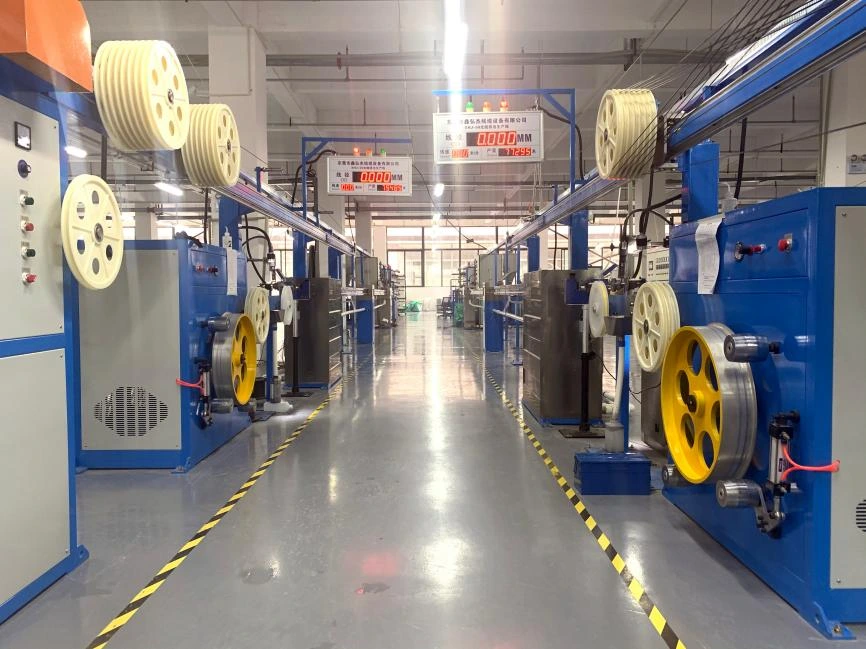
A reliable supplier must demonstrate strong manufacturing capacity combined with engineering-level product design capability. Leading fiber cable manufacturers typically operate automated production lines with micron-level fiber drawing precision and full-process quality control systems.
Key production benchmarks include:
- Monthly capacity: 5,000–20,000 km
- 100% optical performance testing before shipment
- Attenuation tolerance: within ±0.01 dB
- Defect rate: below 0.5%
Beyond production capability, product structure design plays a crucial role in real deployment scenarios. Different environments require different cable structures, especially in high-density or space-constrained installations.
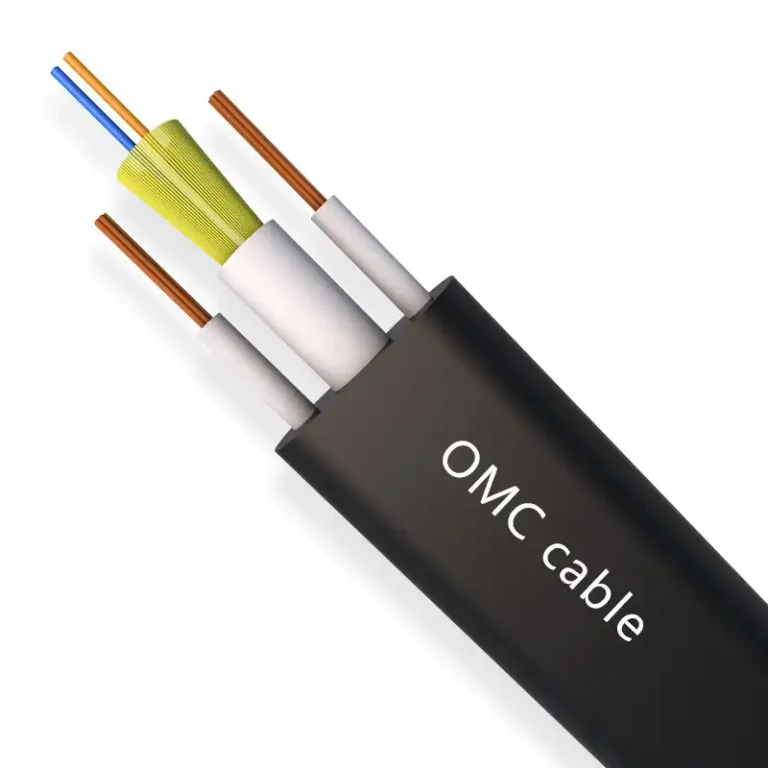
For example, in smart office buildings, residential FTTH systems, and data center vertical cabling, engineers often use compact solutions such as 1–4F Microbeam Module Cable (2.4mm). This cable integrates 1–4 optical fibers (250μm bare fibers) inside a LSZH microbeam tube, reinforced with aramid yarn and protected by an LSZH outer sheath.
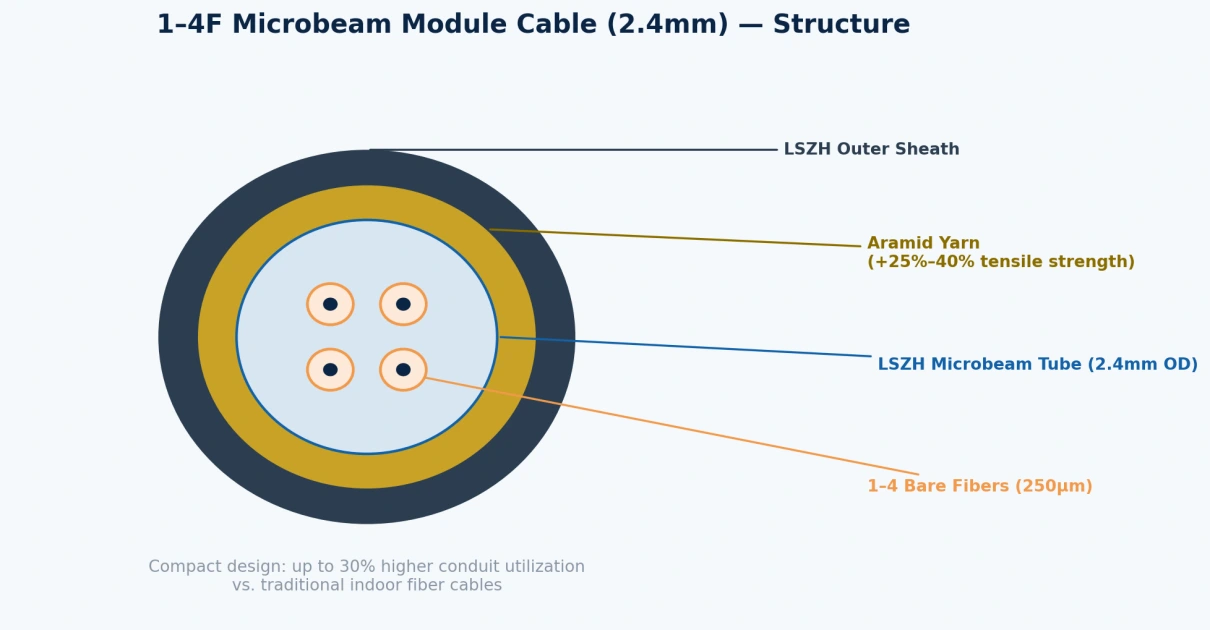
In practical applications, this structure is widely used in indoor riser systems and rack-level interconnections. Its compact 2.4mm diameter allows up to 30% higher conduit utilization compared to traditional indoor fiber cables, while aramid reinforcement increases tensile strength by approximately 25%–40%, ensuring stable installation in confined environments.
This type of engineering-focused design is a clear reflection of how advanced fiber cable manufacturers align product development with real-world application needs.
Application Scenarios and Environmental Adaptability
Optical fiber cables are designed to perform reliably across a wide range of environments, from controlled indoor settings to harsh outdoor and industrial conditions. Therefore, selecting a fiber cable manufacturer based on specific application requirements is a key factor to ensure optimal performance.
In data centers, the need for extremely low latency and high density of cables plays an important role. The most common forms of cables employed in such situations are microbeam and ribbon fiber types, which help maximize space in server racks due to their higher density.
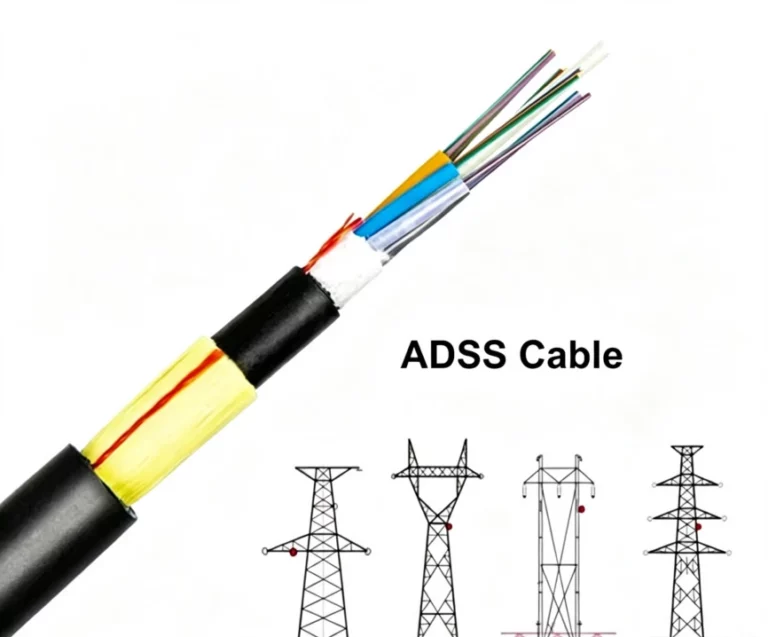
For telecom backbones, the most common form of optical fiber cables is the loose tube type, with a core ranging from 12 to 96 cores.
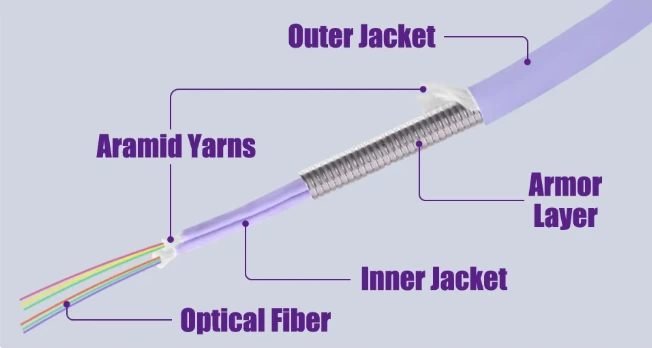
In industrial environments such as manufacturing plants, transportation systems, and energy facilities, armored fiber cables are often required. These cables can withstand mechanical pressure up to 1000N/10cm and operate reliably in temperature ranges from -40°C to +70°C, ensuring stable performance under vibration, pressure, and outdoor exposure.
Across these scenarios, fiber cable manufacturers must offer a diversified product portfolio instead of a single standardized solution, ensuring compatibility with different engineering requirements and installation conditions.
Cost Efficiency, Supply Chain Stability, and Supplier Evaluation
Although cost is an important factor in procurement, experienced engineers understand that lifecycle cost is far more critical than initial purchase price. Low-quality cables may lead to higher maintenance expenses, network downtime, and long-term performance instability.
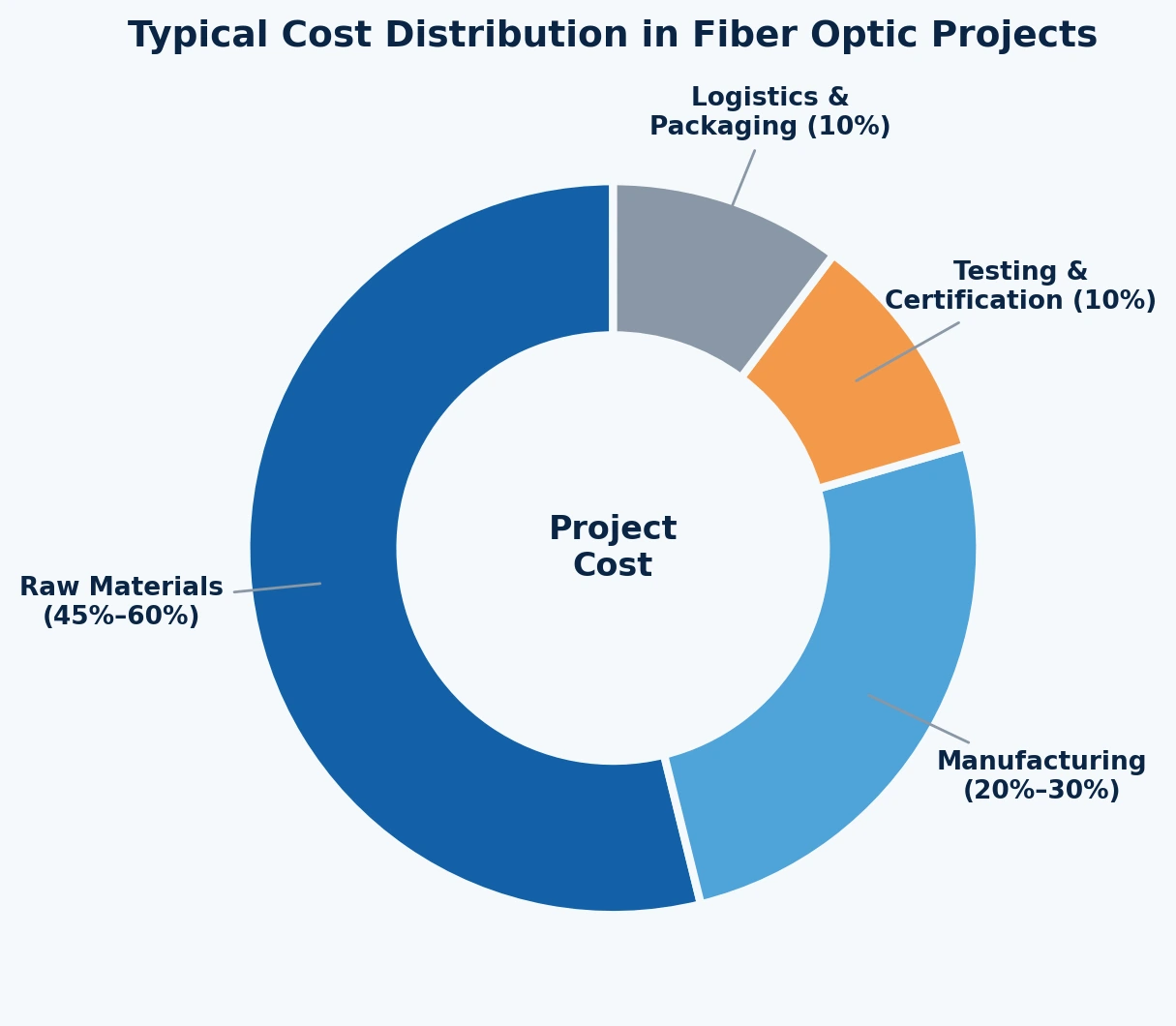
Typical cost distribution in fiber optic projects includes:
- Raw materials: 45%–60%
- Manufacturing: 20%–30%
- Testing and certification: 10%
- Logistics and packaging: 10%
For large-scale projects exceeding 10,000 meters, selecting reliable fiber cable manufacturers can reduce total system cost by 8%–15%, mainly due to improved production efficiency, lower failure rates, and reduced maintenance requirements.
To better evaluate supplier capability, the following matrix provides a practical comparison:
Fiber Cable Manufacturer Evaluation Matrix
| Evaluation Dimension | High-Quality Manufacturer | Low-Quality Supplier | Impact on Project |
| Production Capacity | 5,000–20,000 km/month, fully automated | Small-scale manual production | Affects delivery stability |
| Quality Control | 100% testing, ±0.01 dB accuracy | Sampling-based inspection only | Affects transmission reliability |
| Certification Level | ISO9001, CE, RoHS certified | Limited or missing certifications | Affects global project compliance |
| Product Consistency | Stable batch-to-batch performance | High variation between batches | Increases maintenance risk |
| Delivery Performance | 7–15 days standard lead time | Unstable or delayed delivery | Affects project timeline |
In addition to these factors, advanced fiber cable manufacturers often provide OEM/ODM customization services, allowing engineers to adjust fiber count, sheath material, and structural design according to project-specific requirements. This flexibility is especially important in large-scale infrastructure projects such as data centers, telecom networks, and smart city systems.
Conclusion
Choosing fiber optic cable manufacturers that are reputable involves taking into account technical specifications, production capacity, application flexibility, and delivery capabilities. All these factors are necessary in ensuring the effective operation of the fiber cable system for a longer period of time.
Depending on the engineering environment where these cables will be applied, the right choice of the structure of these cables will greatly enhance the process of transmission efficiency while minimizing risks in the long run.
When it comes to choosing professional fiber optic products for your communication projects worldwide, we at OMC can help you with that. If you have any questions, please contact us any time.