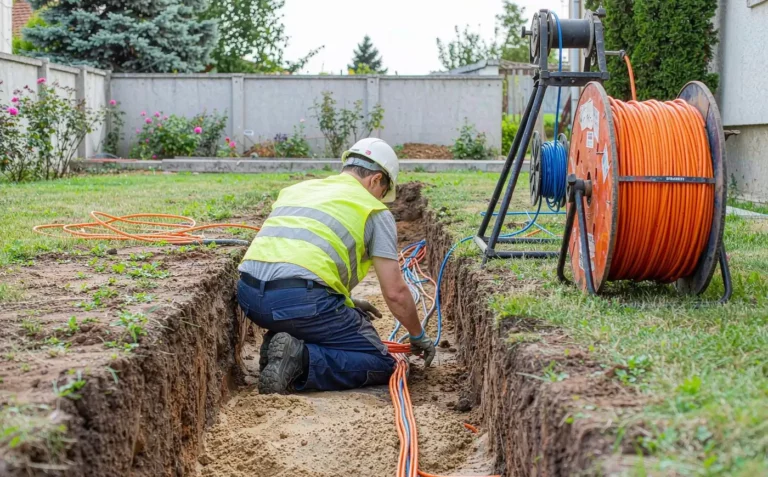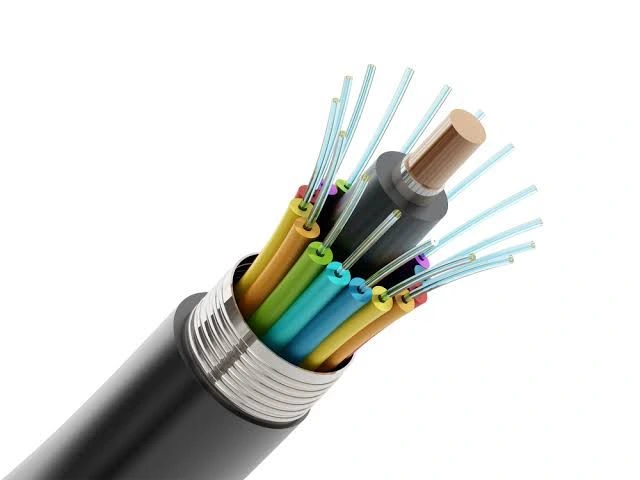



The depth of burial of underground fiber optic cable significantly affects the security of the network, its service life, and the cost of maintenance. At low burial depth, the cable may be damaged during digging, traffic loads, or soil displacement. Increased depth causes additional costs of laying and future repairs.
Therefore, how deep should underground fiber optic cable be buried? To determine this parameter, it is necessary to consider the method of laying, type of soil, usage of surfaces, and local laws on construction.
1. Depth of Underground Fiber Optic Cable to Be Buried
There is not such a thing as a standard burial depth for any construction project. Direct burial and conduit installation need a different degree of protection. In addition, in preparing construction documents, it is important to distinguish soil cover thickness from trench depth.
Direct-Buried Fiber Optic Cable
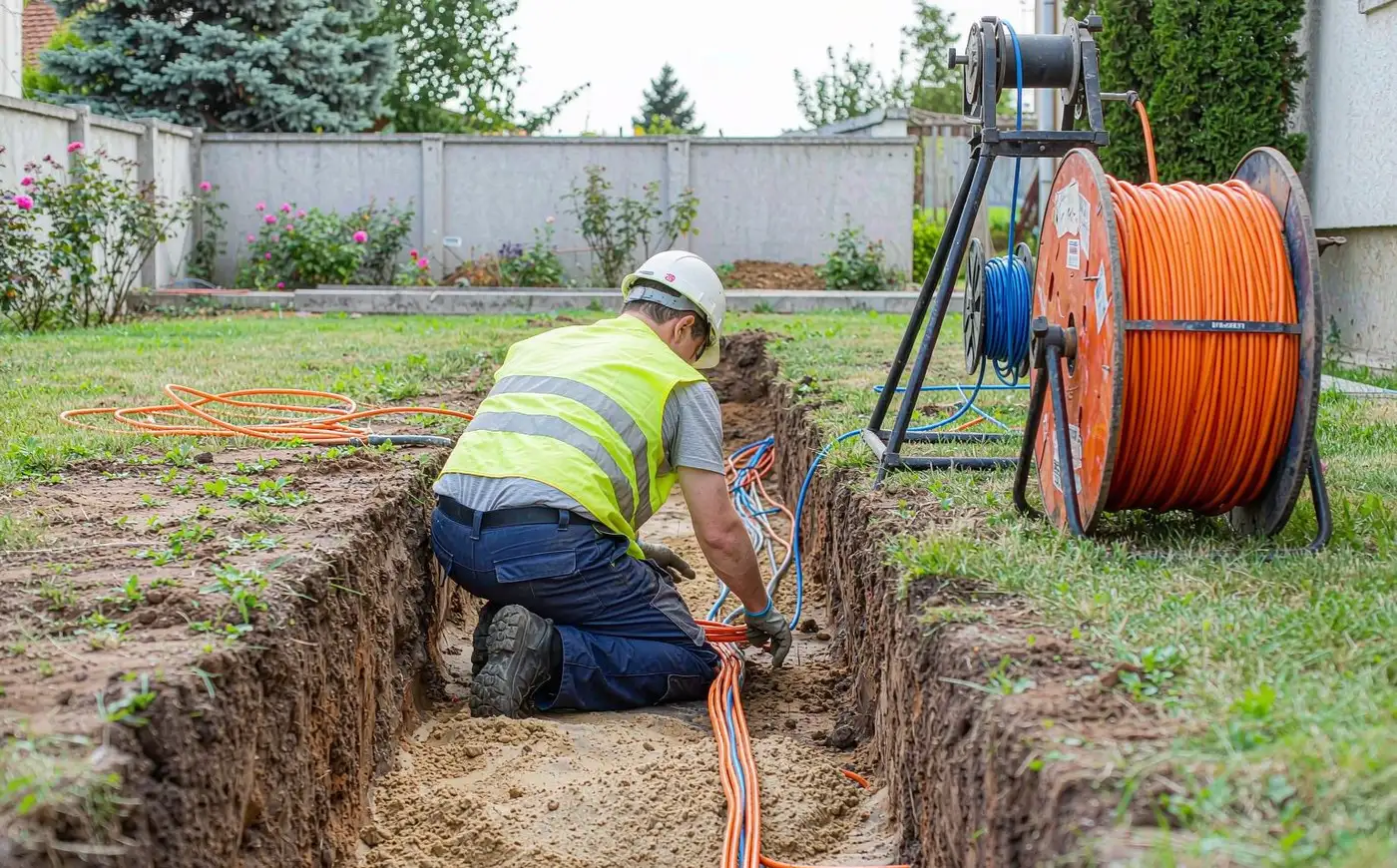
Direct burial implies laying the cable in a prepared trench without an additional protective conduit. Such a method of laying is usually applied for outdoor communication networks and long distances.
As the cable is in contact with soil, its outer cover should be protected against moisture, friction, and physical stresses.
Common preliminary burial depths are:
- Grass and non-traffic area: 60 – 90 cm.
- Walkways and paving: 75 -100 cm.
- Roads and traffic areas: 90 -120 cm, depending on the weight of vehicles.
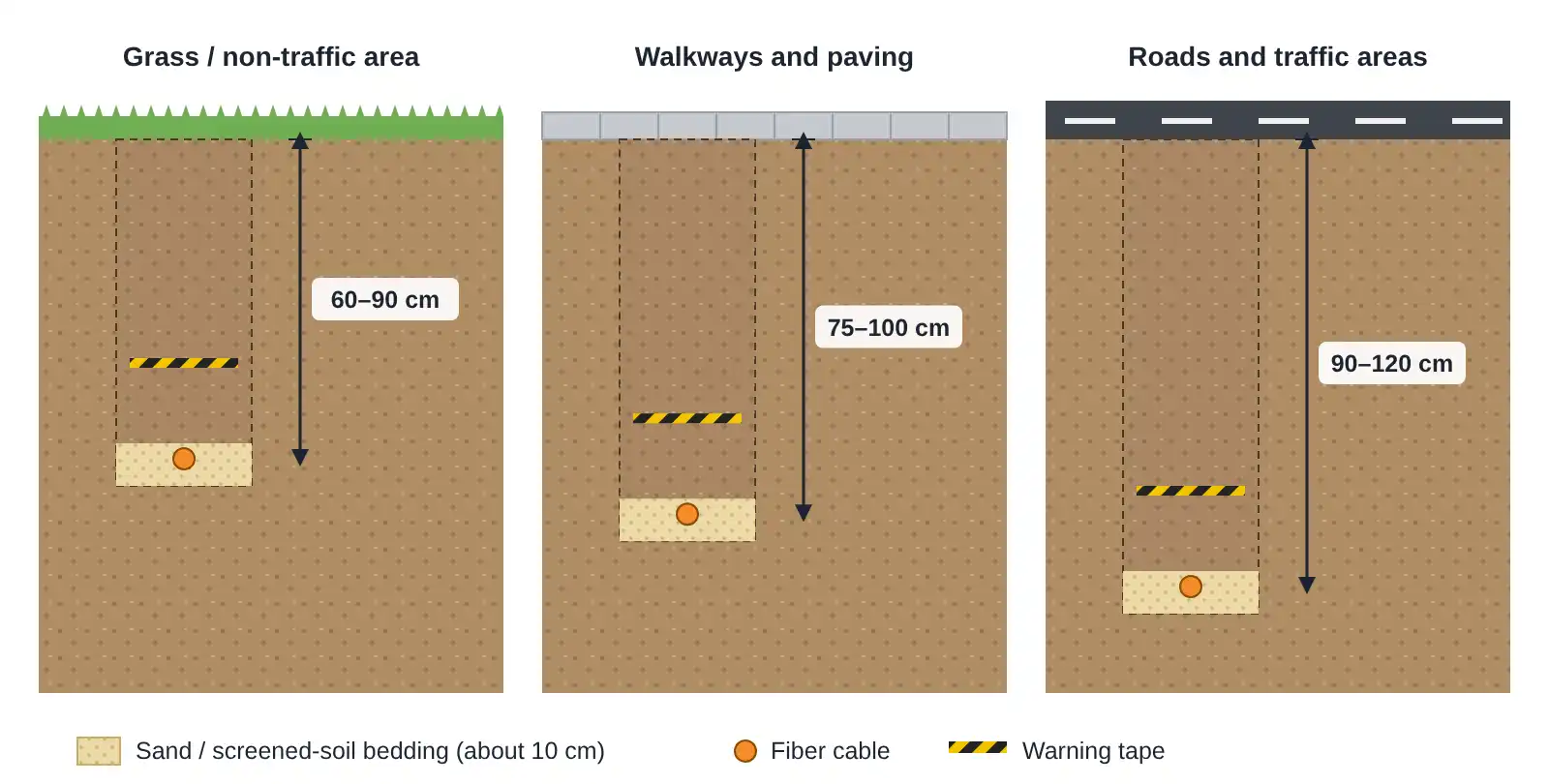
These are common references but not universal rules. It may happen that heavy loads, instability of soil, and the presence of underground utilities will require other design solutions.
Before laying a cable, the bottom of the trench should be leveled and freed from sharp stones or construction debris. As an additional measure, a bedding layer 10 cm thick of sand or soil screenings can be used.
Conduit-Installed Fiber Optic Cable
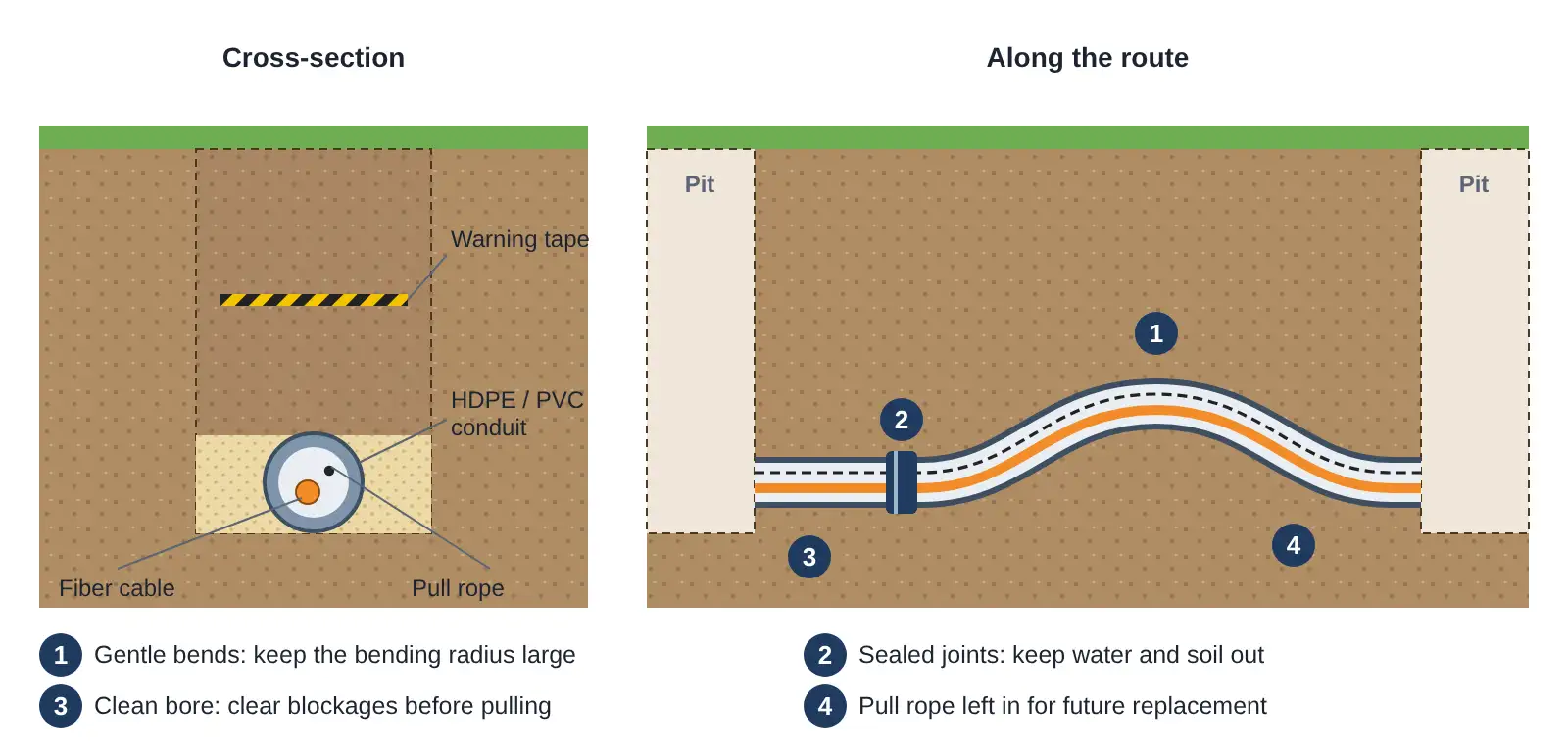
The cable is put in a pipe, typically made from either PVC or HDPE, before being buried in the ground in conduit installation.
Conduit installation is less exposed to pressure from the earth and accidental excavation. The replacement of cable will also be easier.
Nevertheless, even with conduit protection, it is not a good practice to ignore the necessary burial depth of the cable.
In the process of installation, the following things should be taken into account:
- Bending radius: No tight conduit bends to minimize pulling resistance.
- Joint sealing: To prevent water, earth, and any kind of debris from getting into the pipe.
- Condition of the pipe: Clean the pipe to get rid of any blockage before installing cable.
- Pulling rope: Leave a rope to make future cable replacement possible.
2. Burial depths of underground fiber optic cable in different environments
Different types of ground present different threats to the communication lines buried underground. For instance, a residential lawn does not have the same kind of pressure as a highway.
The table below presents the preliminary burial depths for different environments.
| Installation Environment | Reference Depth | Main Considerations |
| Residential lawns and gardens | 30–60 cm | Gardening and shallow excavation |
| Urban underground routes | 90–120 cm | Utility conflicts and construction |
| Ordinary roads | 90–120 cm or project-specific | Vehicle loads and pavement structure |
| Agricultural land | Based on cultivation depth | Farming machinery and plowing |
| Railways and highways | Project-specific | Heavy loads and vibration |
Note: These are general planning references, not universal minimum requirements. Actual depths must follow local regulations and approved engineering specifications.
What Factors Affect Burial Depth?
Several factors determine the necessary underground fiber optic cable burial depth.
1. Soil Type
Sandy soil is easy to excavate, but it might be susceptible to erosion. Rocky soil can easily damage the cable jackets due to the abrasive surfaces. Extra bedding material or conduits might be necessary.
2. Frost Depth
Freezing and thawing in cold weather may cause the soil to move around. Frost line depth should be considered when designing to avoid unnecessary stress on the buried cable and conduits.
3. Traffic Loads
High traffic loads on roads caused by trucks and construction vehicles put stress on the underground installations. Deep installation, reinforced conduits, or concrete protection should be used at some locations.
4. Existing Underground Utilities
Water supply pipelines, gas lines, electricity lines, and sewage networks often compete for limited underground space. It is important to locate existing utilities and maintain the necessary separation distances.
3. How to Install Underground Fiber Optic Cable Correctly?
Apart from choosing the right depth, correct installation of an underground fiber optic cable requires proper trench preparation, cable pulling, backfilling, and optical testing.
Inspect the Location Before Excavation
Before the excavation, it is important for contractors to check underground utility maps and perform an on-site inspection. Specialized equipment and excavation methods are used to check for the presence of any existing utilities.
Soil type, groundwater level, and surface load should also be taken into account. Rocky soils will require extra preparation of the trench, while the high groundwater level should be treated with appropriate sealing and drainage of the conduit.
Control Bending Radius and Pulling Tension
There should be sufficient space in the trench to lay out the cable without compression and twisting.
Two parameters are critical during installation:
- Minimum bending radius: Observe the minimum bending radius specified by the manufacturer, both dynamic and static.
- Maximum pulling tension: The pulling force should not exceed the specified maximum pulling tension, especially when laying long-distance conduits.
Specialized pulling equipment and cable lubricants can decrease installation friction.
Backfill and Protect the Cable
After laying the cable, check its jacket, joints, and positioning before backfilling.
It usually consists of the following steps:
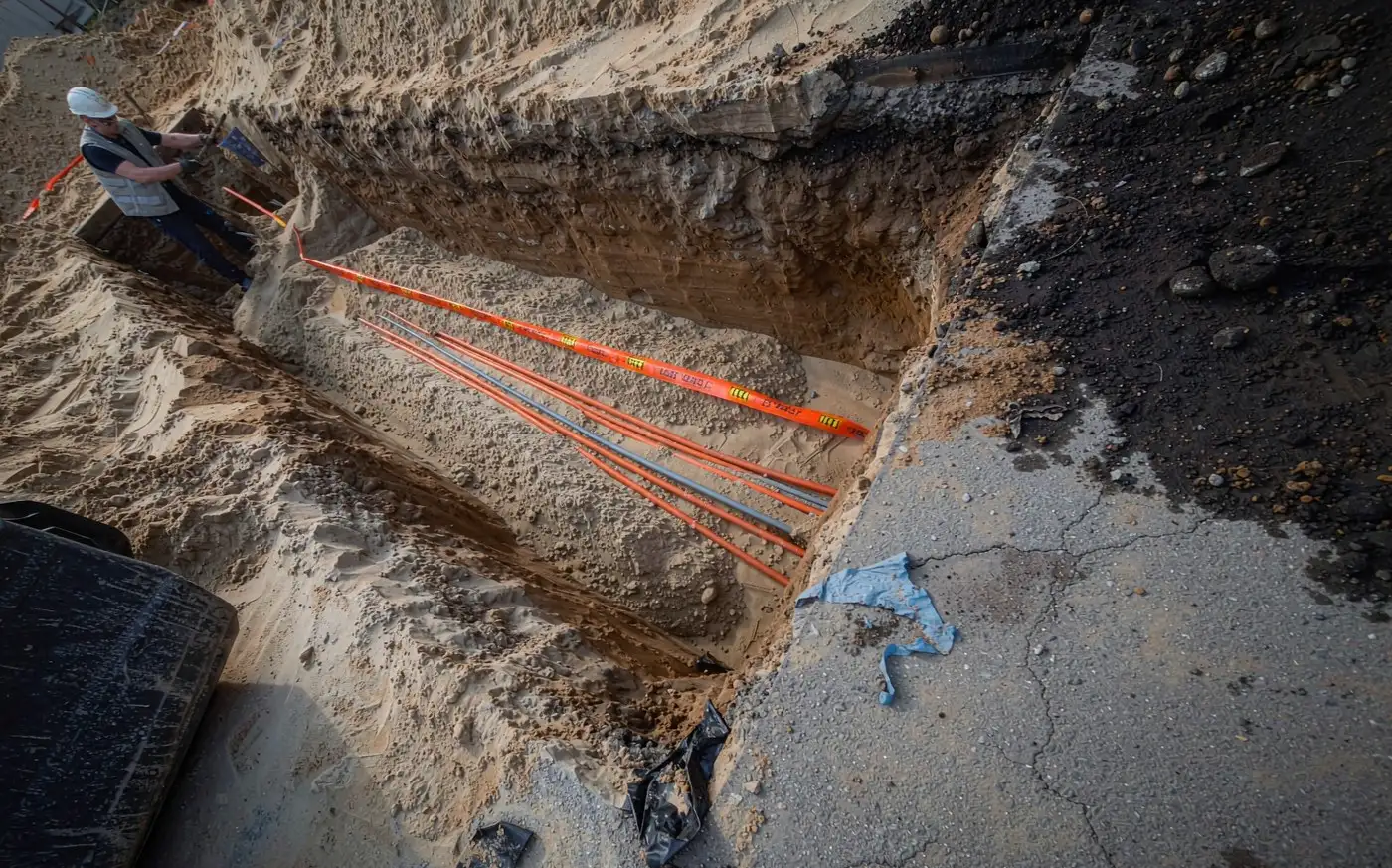
- Cover the cable with sand or screened soil.
- Install mechanical protection where needed.
- Install warning tape over the route of the cable.
- Backfill in layers with controlled compaction.
- Record the actual burial depth and location of the cable.
Warning tape serves as a notification for future excavations, but it does not replace mechanical protection.
Perform Optical Testing
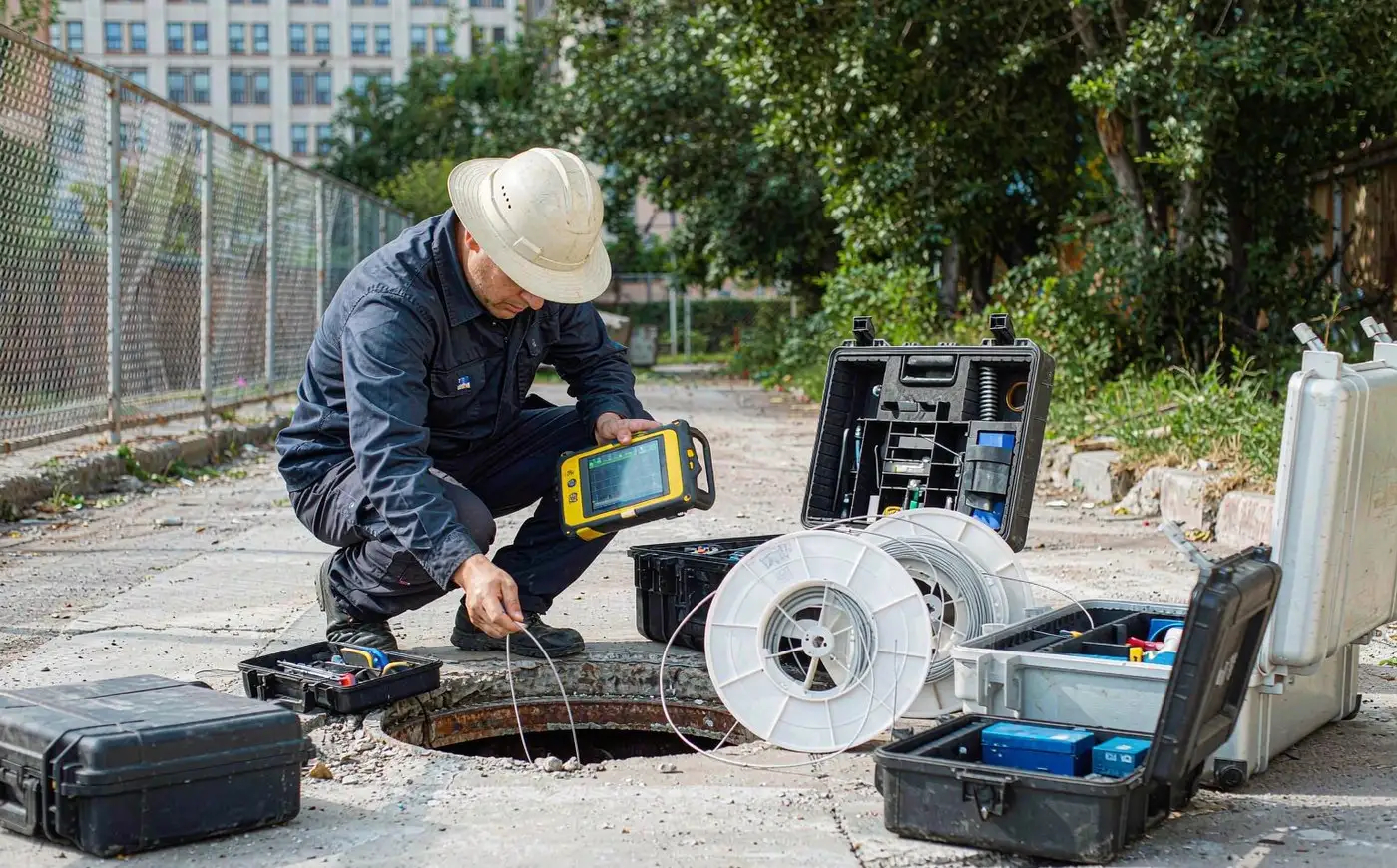
Testing helps identify installation damage before the network enters service.
| Test Method | Main Purpose |
| OTDR testing | Locates faults, splice points, and abnormal losses |
| Optical power testing | Measures end-to-end signal loss |
| Visual inspection | Checks jacket damage and installation defects |
| Route documentation | Records cable paths and burial depth |
The Optical Time-Domain Reflectometer (OTDR) is a device that evaluates the backscattered light to detect any problems or attenuation in the fiber. This is more applicable for underground long-distance networks.
It is also imperative for contractors to keep drawings of the route, splice information, and testing results.
Conclusion
Burying depth of underground fiber optic cables is influenced by the installation technique, type of soil, and the weight on the ground surface. Protecting the cable, proper pulling force, backfilling process, and optical testing are equally vital.
If there are inquiries about underground fiber optic cable specifications or installation guidelines, contact OMCCABLE.