







Optical fibers play a crucial role in today’s communication networks when it comes to the transmission of data at high speed without any loss of signals. However, optical fibers too have certain drawbacks that need attention as they may lead to attenuation. In simple words, attenuation is a phenomenon whereby optical fiber experiences a loss in signal power as it travels through a medium. This makes it important to study the types, causes, and remediation of attenuation in optical fibers.
What Is Attenuation in Optical Fiber?
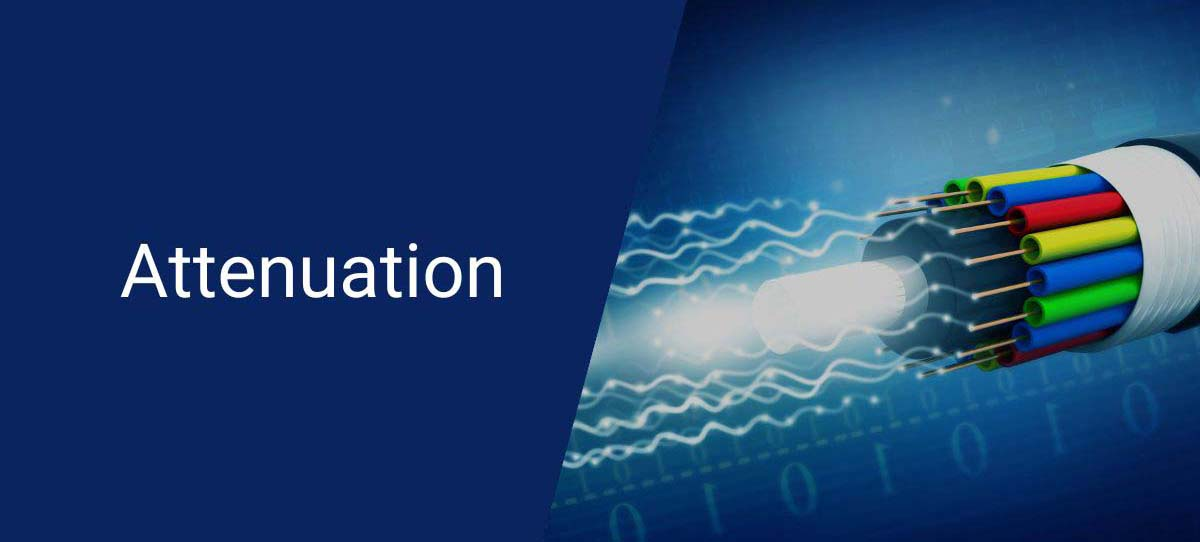
As mentioned earlier, attenuation in optical fiber involves loss of signal power as it travels from one point to another. It is a natural process as the light signal passes through a fiber medium and interacts with its environment. Too much attenuation results in poor transmission quality, increased bit error rates, and poor data integrity. Usually, it is measured in dB/km.
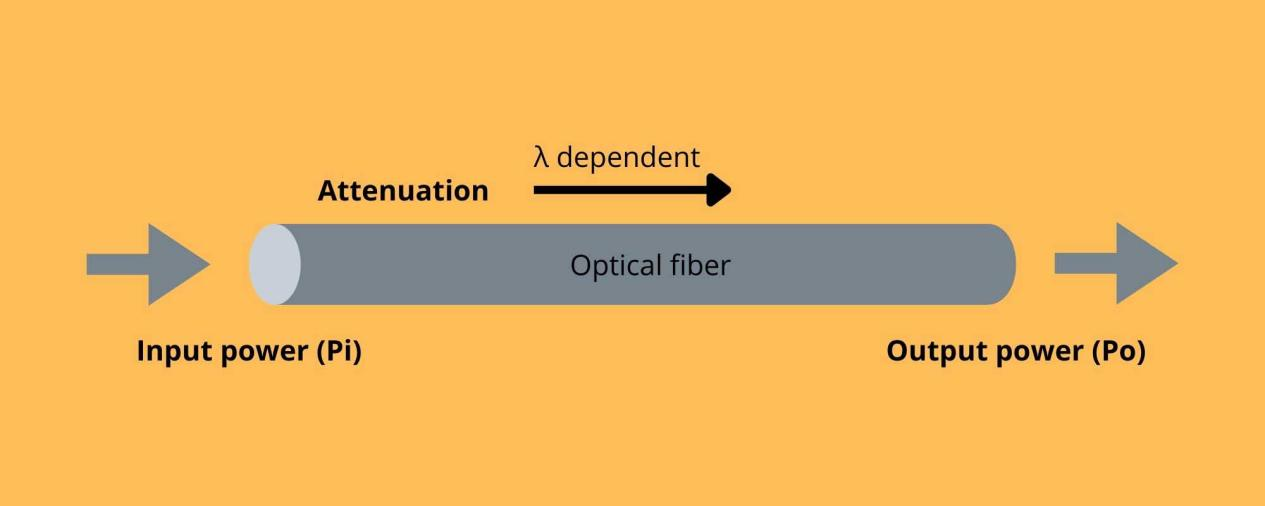
What is Signal Attenuation?
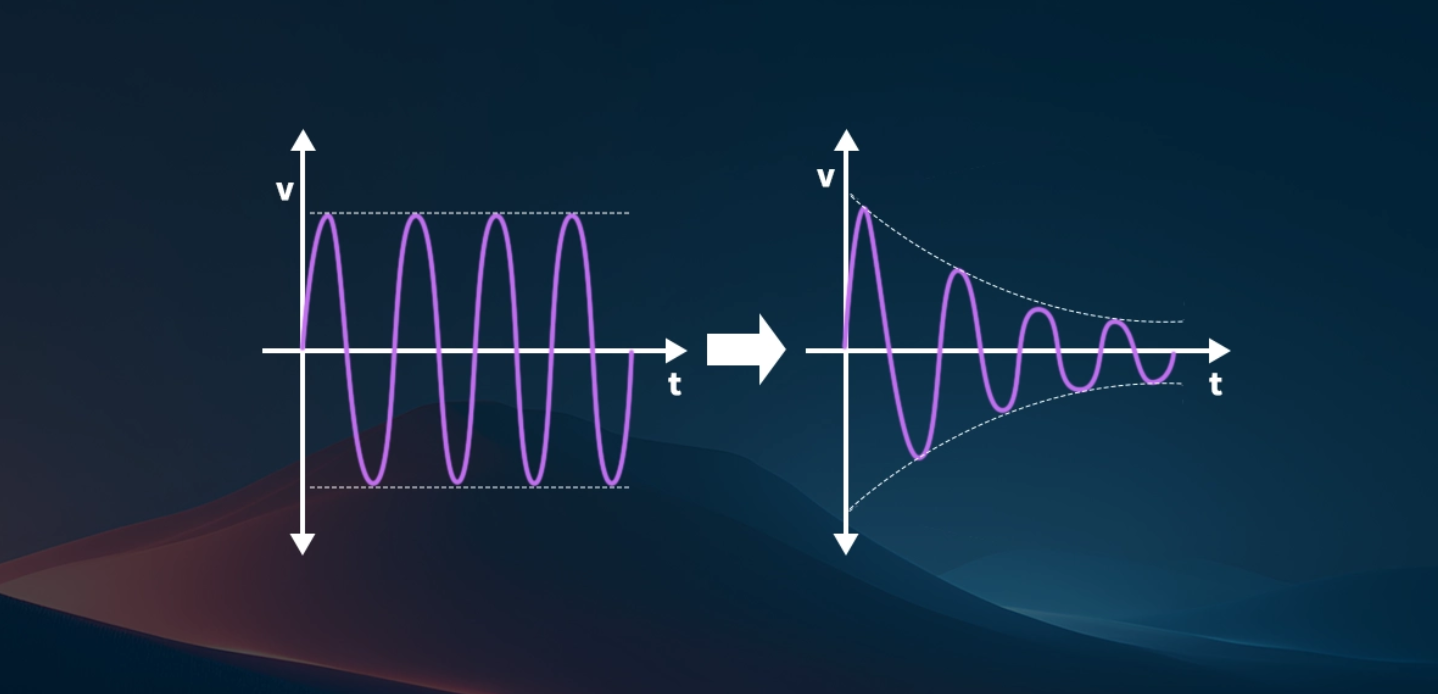
Signal attenuation is not only a decline in light energy but also involves several physical and environmental phenomena that determine the efficiency of the process of propagation of light inside the fiber. Typical symptoms of signal attenuation include:
A lower level of optical power in the receiver limits the distance of transmission.
- A distorted waveform leads to errors in high-speed data transmission.
- Decline in transmission efficiency, especially for multi-hop networks.
- Overcoming signal attenuation will allow achieving a good quality of signal transmission.
Types of Attenuation
Several types of attenuation occur in attenuation in optical fibers, including:
1. Absorption Attenuation
Absorption is the conversion of light energy into heat, which happens due to the interaction of light energy with substances in the glass of the fiber. Such substances include impurities like transition metals or OH- ions. Absorption attenuation typically has more influence on signal strength at certain wavelengths, like 1400 nm.
2. Scattering Attenuation
Scattering happens due to the interaction between light waves and imperfections inside the fiber. The most typical type of scattering is Rayleigh scattering, which is prevalent for single-mode optical fibers.
3. Bending Loss
Fibers have a sensitivity to bending. Large-radius bends are referred to as macrobends, where light escapes the fiber’s core. On the other hand, microbends are small bends that occur along the fiber itself, usually due to manufacturing or environmental stresses.
4. Connector and Splice Loss
A connection between two fibers results in losses due to attenuation. Improper alignment, air gaps, or contamination at fiber ends can cause significant signal reduction.
Reducing Attenuation in Practical Applications
Various ways that engineers use to tackle attenuation in real-life fiber optics communications systems include the following:
1. Choosing good fibers: The use of low-loss and low-scattering fibers prevents losses inherent in the fiber material.
2. Proper fiber installation: Ensuring there are no sharp turns and any kind of stress on the fibers eliminates losses due to bending.
3. Ensuring clean connectors: Contamination of connectors causes losses due to contamination, hence the need for proper cleanliness of connectors.
4. Installation of optical amplifiers: Optical amplifiers like EDFA (Erbium Doped Fiber Amplifier) and Raman amplifiers can be used to counter distance losses without changing the form of light from its optical state into an electrical one.
Environmental Causes of Attenuation
Attenuation in optical fibers can be influenced by some external conditions, resulting in the loss of optical power as follows:
1. temperature change: Either high or low temperature causes a change in the characteristics of the fiber that makes the latter absorptive and scatterable.
2.Change in environmental humidity and moisture: The presence of water in the fiber coating and connectors causes the losses because of absorption.
3.Vibration and mechanical stress: Cause the problem of micro or macro bending.
Attenuation vs. Amplification
|
Scenario |
Impact of Attenuation | Amplification Solutions |
|
Long-distance transmission |
Gradual reduction of signal power | Optical amplifiers (EDFA, Raman) |
| High-speed networks | Waveform distortion and potential data errors |
Repeaters or regenerators |
| Network maintenance |
Connector contamination and fiber bending |
Regular cleaning, proper cable routing |
The combination of effective attenuation control and amplification techniques guarantees the reliability of optical networks over great distances and at very high speeds.
Conclusion
Attenuation in optical fiber is a natural occurrence that influences the strength of a signal and the efficiency of the entire network. The major forms of attenuation include absorption, scattering, bending loss, and connector or splice loss. Attenuation can be minimized through the selection of good-quality fibers, optimal routing of the fiber optic cable, and the use of optical amplifiers. Working with a trustworthy fiber optic cable provider such as OMC is another key factor.