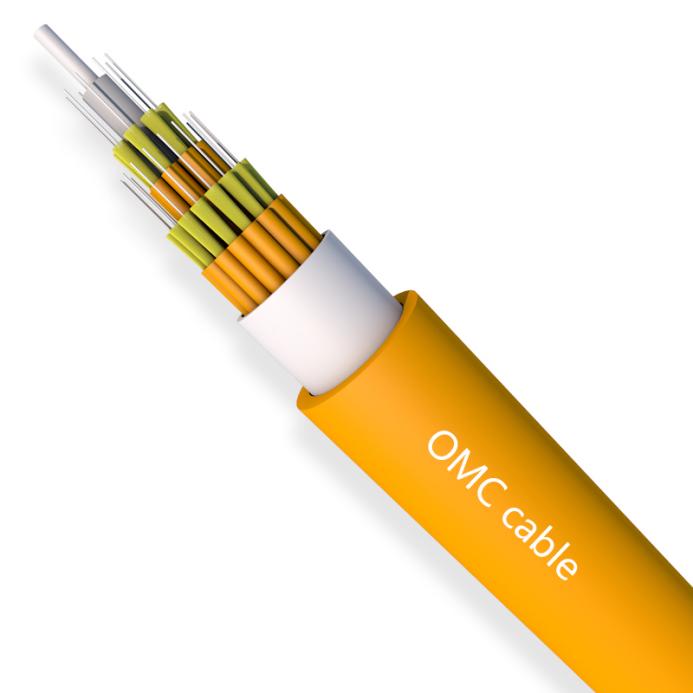








In modern electrical and communications systems, deciding whether or not to use armored cable or No-Armored Cable is a crucial one. Both are critical to power distribution, industrial automation, and data transmission but are differentiated by design, application, and function. It is only when these differences are known that engineers, contractors, and end-users can select the ideal one for applications.
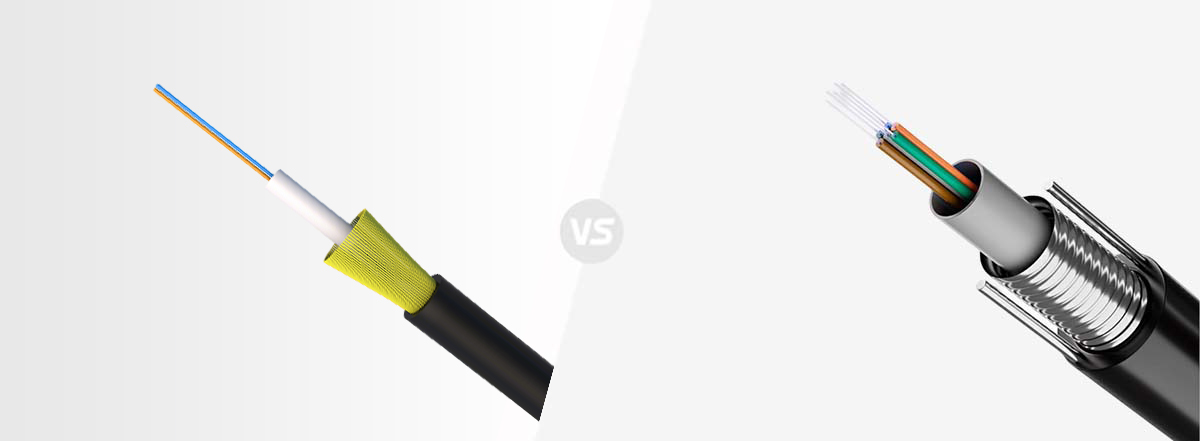
1. What Defines Armored and No-Armored Cable?
- Structure of Armored Cable
Armored cables contain an additional metallic armor layer, typically consisting of galvanized steel tape or wire. The metallic layer adds some resistance to mechanical stress, rodent bite, and accidental damage. An example of a general low-voltage armored power cable can be composed of copper conductors, PVC insulation, inner bedding, an armor layer, and an outer sheath.
- Structure of No-Armored Cable
A No-Armored Cable lacks the metallic sheath for protection but employs insulation and sheathing as guards. This makes it lighter, flexible, and easier to install in controlled environments. No-armored cables are commonly applied for indoor wiring, panels, or ducts where additional mechanical protection is not required.
2. Applications of No-Armored Cable in Various Industries
- Residential and Commercial Use
In office and household cabling, No-Armored Cable is prevalent as it is light in weight and easy to install. For instance, at a 100 square meters area apartment, no-armored copper cables can reduce the total installation time by up to 20% as compared to armored cables.
- Industrial and Data Centers
Though armored solutions are preferred by industries in general, there are many control and signal lines dependent on No-Armored Cable. High-speed LAN cables used for data transfer and fiber optic patch cords in data centers are typically of this category as they require flexibility during routing in cable trays.
3. OMC No-Armored Cable Solutions
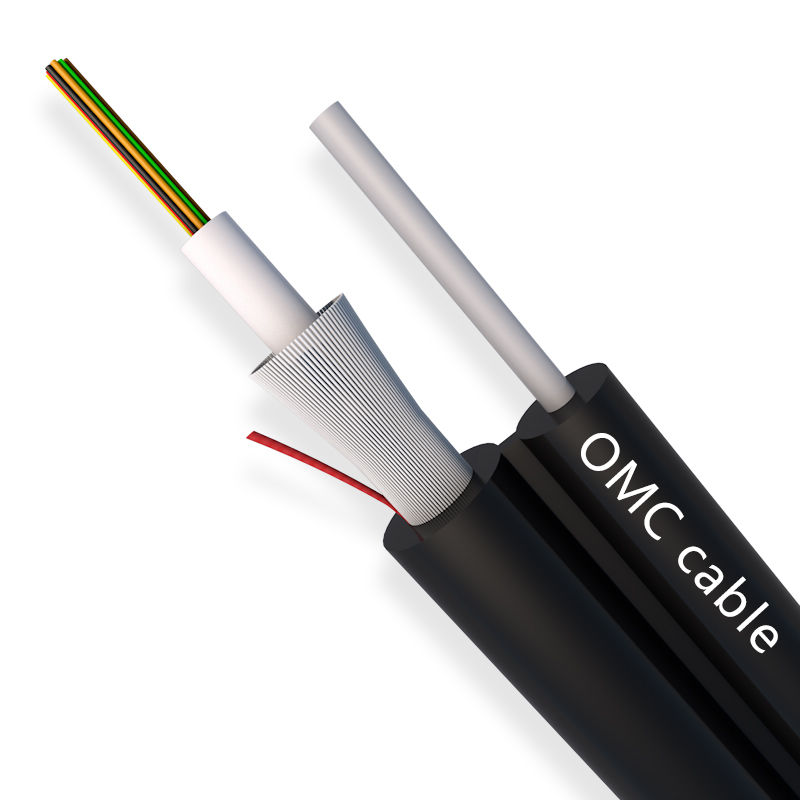
(1)Aerial Self-Supporting No-Armored Cable
Typical Product:1–12 Cores Aerial Self-Supporting Fig 8 Unitube No-Armored Cable (GYXTC8Y)
Key Features:
- Loose tube construction of PBT material with water-blocking compound
- Embedded with water-proof glass yarn, steel tape, and PE jacket for longitudinal waterproofing
- Fig-8 design suitable for direct aerial installation without need for support
- Maximum tensile strength and rigid structure
(2)Unitube No-Armored Cable
Typical Product:1–12 Cores Unitube No-Armored Cable (GYFXTY) PE
Key Features:
- PBT loose tube filled with water-blocking gel
- Tough PE sheath and water-blocking tape for round cross-section protection
- Steel wires embedded to increase tensile strength
- Suitable for duct or direct installation in most flexible applications
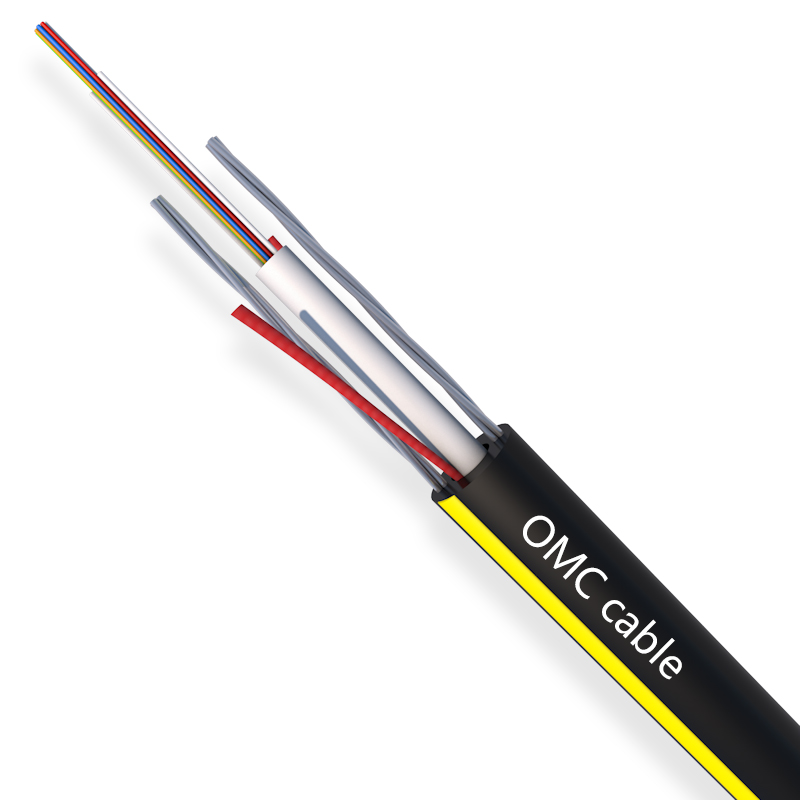
(3)Stranded Loose Tube No-Armored Cable
Typical Product:48–96F Stranded Loose Tube No-Armored Outdoor Cable (GYFTY)
Key Features:
- Central FRP strength member with optional PE sheath
- Fibers held in PBT loose tubes filled with water-blocking compound
- Stranded loose tube structure with HDPE outer sheath for water resistance
- Suitable for high-capacity metropolitan area networks and backbone networks
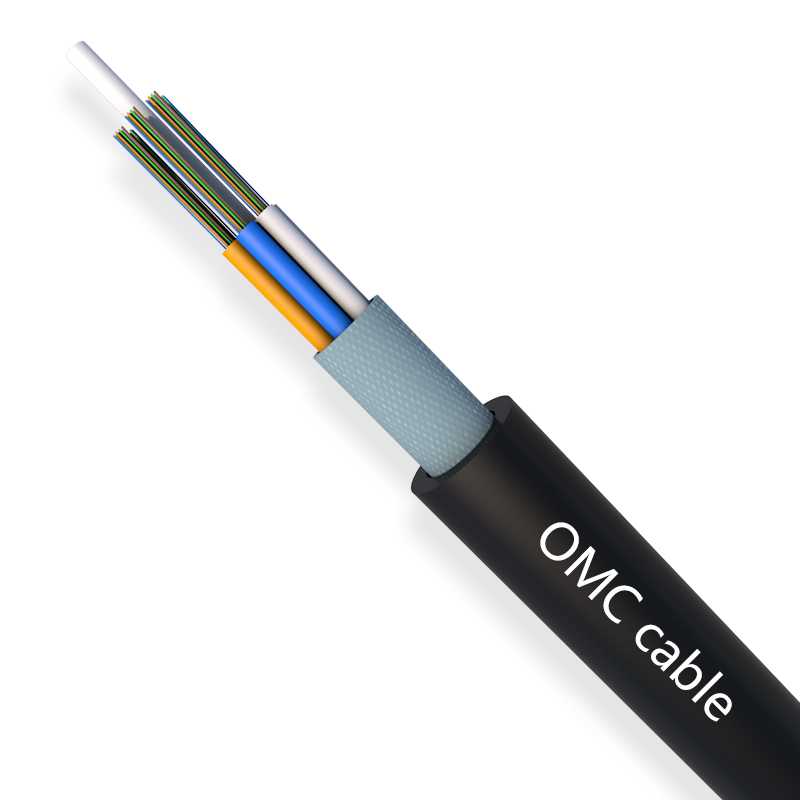
4. OMC No-Armored Cable Advantages
As compared to armored cables, no-armored cables are appropriate for scenarios where mechanical protection is not of central concern, but flexibility and easy installation are of utmost importance. Some of their key advantages are:
- Lightweight and Flexible
Because they do not contain cumbersome armor, the cables are lighter, easier to handle, and faster to install. This reduces labor costs and is particularly advantageous in tight or complex areas.
- Cost-Effective
No-armored cables eliminate the need for additional metal shielding, and that is why they are an economical solution but deliver stable and reliable optical transmission performance.
- Better Data Transmission
OMC no-armored cables, made of high-quality materials, provide high bandwidth and long-distance signal transmission with minimal attenuation, appropriate for use in 4G, 5G, and broadband networks.
- Multi-purpose Applications
Their thin construction provides flexible use in indoor and outdoor configurations where heavy mechanical protection is not required, with greater flexibility for diverse projects.
- Reliability and Durability
Though not armored, these cables are resilient enough to resist environmental forces of dampness, UV radiation, and temperature extremes, providing reliable performance from downtown areas to rural areas.
5. Armored Cable vs. No-Armored Cable: A Professional Comparison
To summarize the differences with clarity, the following table emphasizes differences in significant features of armored and No-Armored Cable.
|
Aspect |
No-Armored Cable | Armored Cable (for contrast) |
| Weight & Cost | Usually lighter, less expensive per meter | Heavier, more costly due to armor materials |
| Installation Ease | Easier to pull through conduit or over longer distances | More difficult to bend, install; need tools for handling armor |
| Protection | Less mechanical protection (from rodents, crushing, impact) | Much stronger mechanical protection, but more rigid |
| Use-case Suitability | Good for sheltered outdoor, overhead small runs, underground in conduit, or low-risk areas | Better where physical damage or environmental hazards are high |
| Long-Term Durability | Dependent heavily on jacket / outer sheath quality |
Greater durability in harsh mechanical or environmental stress |
6. Future Prospects of No-Armored Cable Application
- Growing Demand in Smart Buildings
With the growing popularity of smart homes and automated offices, No-Armored Cable is being used for signal and data communication. For example, structured cabling in a 50-story business building may use kilometers of such cable for LAN and automated systems.
- Sustainable Solutions
The manufacturers are producing more recyclable and halogen-free no-armored cables to meet environmental standards. The trend supports the global demand for cleaner and safer products.
7. Conclusion
No-Armored and Armored Cable are both important in the electrical and communications industries, each offering distinct benefits. Armored cables provide superior mechanical protection for harsh environments, but no-armored cables benefit by their strength, low cost, and suitability for controlled conditions.
Through an assessment of installation requirements, safety needs, and end performance, professionals can make the most informed selection decisions to ensure confidence of reliability and efficiency in their work.OMC’s no-armored cables combine high-quality materials, flexible installation, and excellent durability, providing a trusted solution for both indoor and outdoor applications.