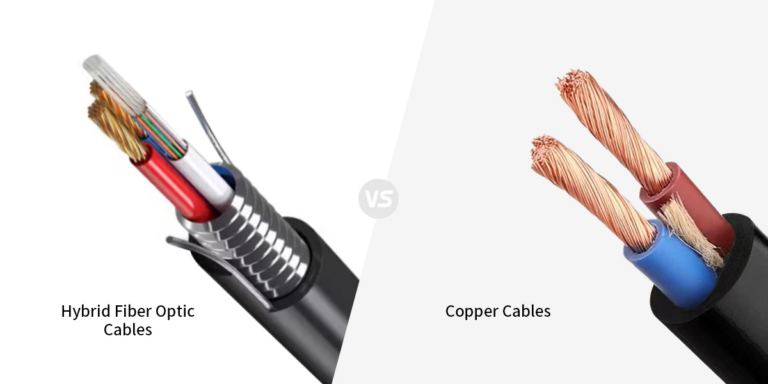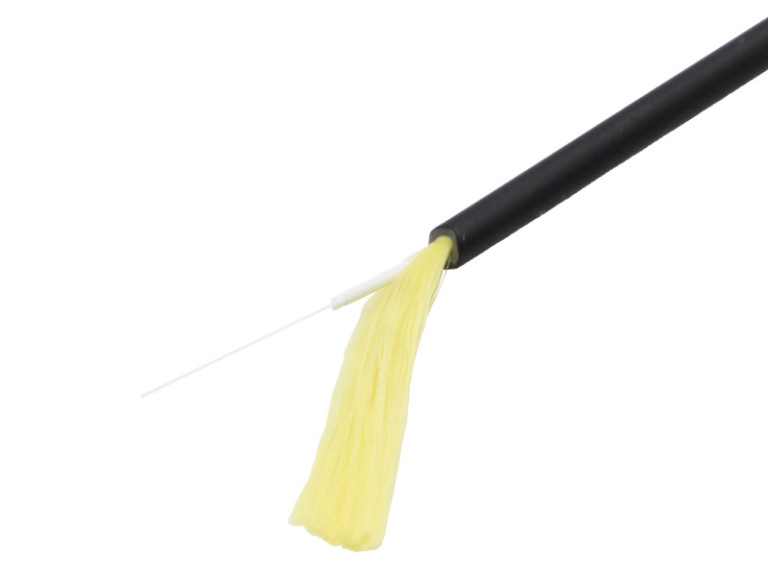








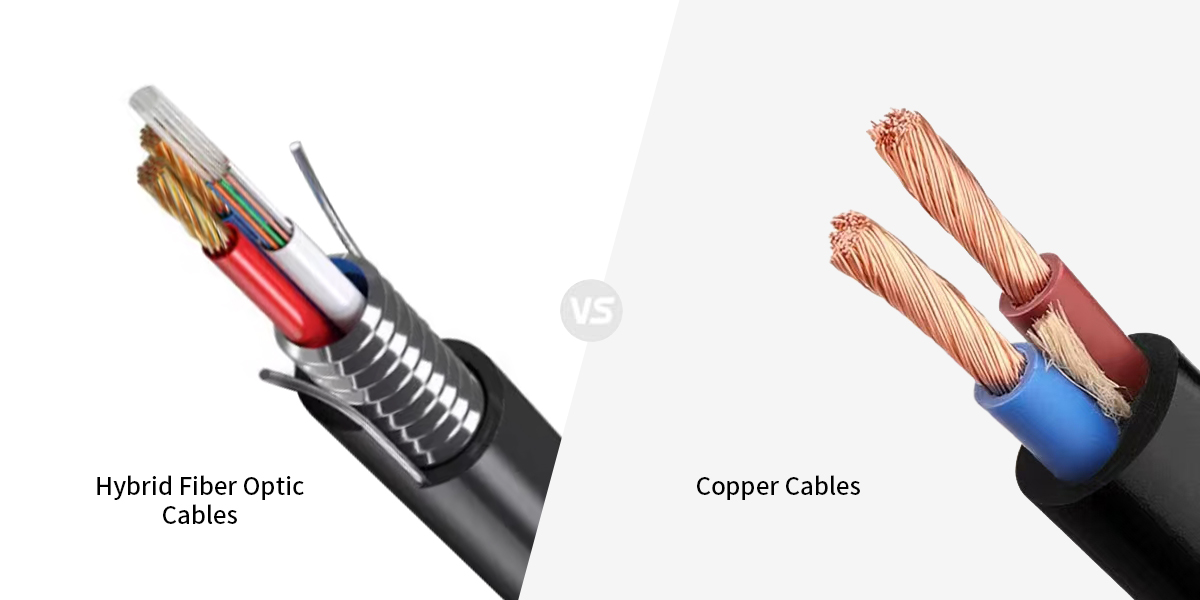
As communication and power transmission are gaining popularity, a hybrid cable is becoming one of the most common types of cable. Unlike copper cable, the hybrid fiber cable combines optical fibers and power conductors, and thus has many benefits over copper cable. With the rise of 5G networks, the adoption of industrial automation systems, and the development of smart infrastructures, hybrid cable finds itself a wide scope of use.
1. Hybrid Cable Performance Advantages
- Faster Data Transfer Speeds
The hybrid cable uses optical fiber technology to transmit data and provides higher bandwidth than that offered by copper cables. The optical fibers cannot be affected by any form of electromagnetic interference, thus enabling faster data transfer. Hence, the hybrid fiber cable is best suited for such applications as data centers and cloud computing.
- Greater Transmission Distance
Contrary to copper cables, whose signal strength is attenuated as it travels over great distances, the optical fiber used in the hybrid cable allows for greater transmission distance without signal attenuation.

2. Hybrid Cable Structural and Installation Advantages
- More Centralized Cabling
Hybrid cable allows combining power and data cables into a single one, therefore, reducing cabling volume and simplifying cable installation. It becomes easier to install a hybrid fiber cable in complicated conditions.
- Reduced Overall Installation Cost
Although the initial cost of a hybrid cable may be higher than that of copper cable, the total project cost can be lower. This is due to reduced material usage, shorter installation time, and lower maintenance requirements over the system lifecycle.
3. Hybrid Cable Advantages in Stability and Safety
- High Immunity to Electromagnetic Interference
Copper wires are vulnerable to electromagnetic interference, which may impact the integrity of the transmitted signal. On the contrary, the optical fiber within the hybrid cable is free from such interference and provides a stable transfer of data in all conditions.
- Increased System Stability
As the hybrid cable requires fewer wires and connections than other technologies, it contributes to increased system stability and reliable operation for a long time.

4. Hybrid Cable Advantages in Application Flexibility
- Multiple Applications
Hybrid fiber cable is widely used in scenarios where both data transmission and auxiliary power are required within a single solution. It is commonly applied in telecommunications networks, fiber-to-the-home (FTTH) systems, smart buildings, and video surveillance systems.
- Future-Proof
With the rise of technologies such as IoT and smart cities, there will be a growing demand for an integrated power and data transmission system, which is the strength of hybrid cable.
5. Hybrid Cable vs Copper Cable
(1) Performance and Cost Considerations
Copper cables remain practical for short-distance and cost-sensitive applications. However, hybrid cable offers advantages in scenarios that require high performance, long-distance transmission, and system integration.
(2) Long-Term Development Trend
From a long-term perspective, hybrid cable aligns better with the needs of high bandwidth, low latency, and reliable infrastructure, making it an important part of modern communication systems.
(3) Comparison Table
| Parameter | Hybrid Cable | Copper Cable |
| Transmission Medium | Optical fiber + power conductor | Copper conductor |
| Data Speed | Higher bandwidth capability | Relatively limited |
| Transmission Distance | Suitable for long distances | Requires repeaters |
| EMI Resistance | Immune (fiber part) | Susceptible |
| Cabling Structure | Integrated | Usually separate |
| Installation | More centralized | More complex wiring |
| Initial Cost | Relatively higher | Relatively lower |
| Maintenance | Fewer connection points | More connection points |
6. Hybrid Cable Supplier Consideration: Why Choose OMC?
Choosing a dependable supplier is essential when enforcing a mongrel string result. OMC has extensive experience in hybrid cable products and offers solutions tailored to different application needs.
- Products are manufactured with high-quality materials and tested to ensure stable performance
- Customization is available, including cable length, fiber type, and conductor configuration
- A structured customization process ensures the final product meets project requirements
- Technical support is provided to help customers select suitable solutions
Conclusion
Finally, there are differences between hybrid cables and standard copper cables with regard to their mode of transmission, installation procedures, structure, and use. Hybrid cables are becoming more common in situations where the need for transmission of signals as well as the provision of power, is required.
When selecting a suitable solution, choosing an experienced manufacturer such as OMC can help ensure that the cable specifications match specific project requirements.